
Introduction
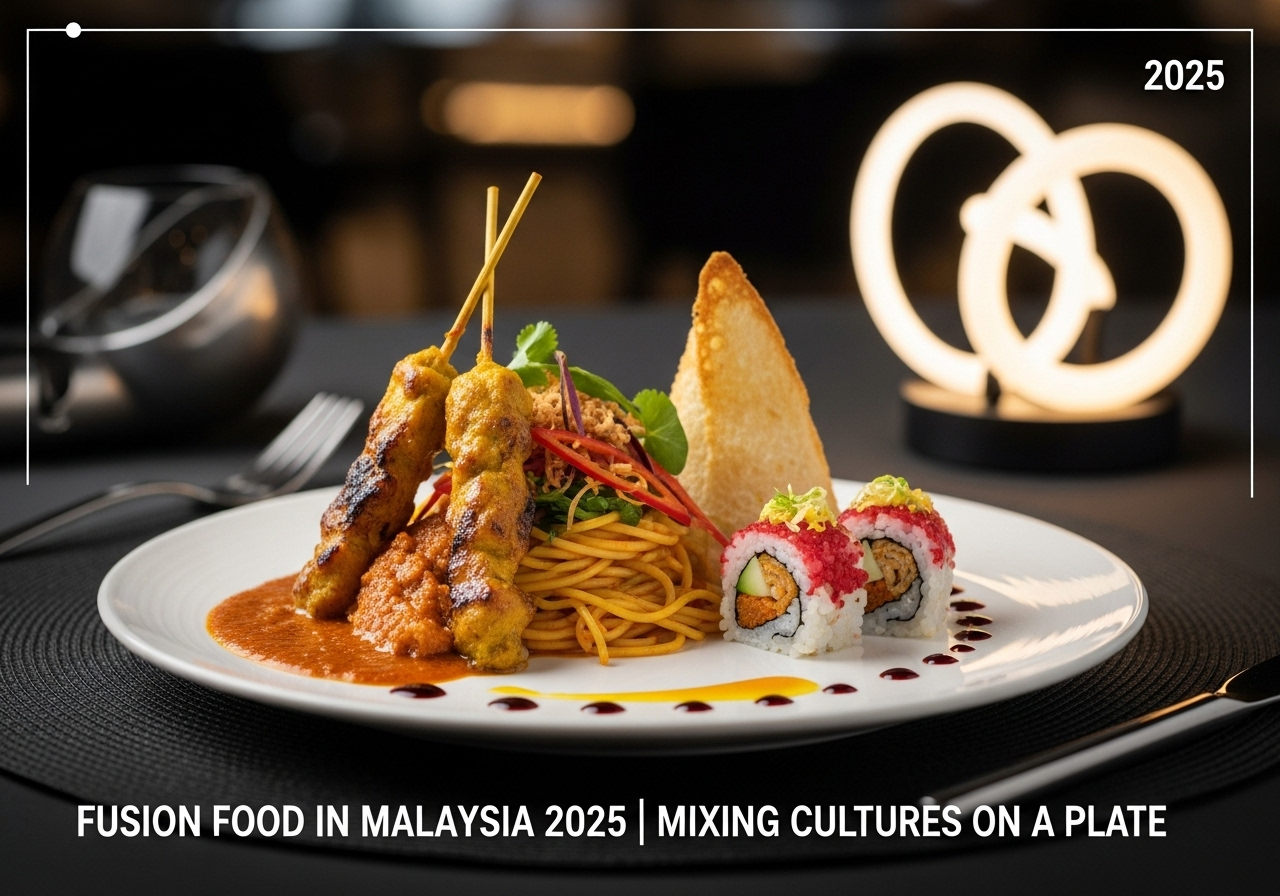
Fusion food has always been Malaysia’s brand, but in 2025 it has become something special, a creative revolution that mirrors the nation’s multicultural soul. Previously considered experimental, fusion food is now a defining movement among Gen Z chefs, café owners, and TikTok food influencers. Malaysia’s food scene is buzzing with innovative ideas from tacos nasi lemak to burgers of sushi and vegan satay wraps that show food here is not merely food; it is culture, storytelling, and art packed into one.
Restaurants and pop-ups across the country are redefining the idea of “mixing cultures on a plate,” transforming traditional comfort foods into crazy new experiences that marry flavor, presentation, and imagination.
Long before “fusion” was cool, Malaysia already had it. The country’s cuisine, as an organic product of centuries of cross-cultural evolution, reflects this. Situated at the crossroads of ancient trade routes, Malaysian kitchens adapted spice from India, cooking methodology from China, and flavors from the Arabs and Europeans. What emerged was a fusion that is deeply grounded yet unrestrictively modern.
Take roti canai, for instance an Indian paratha-derived base that has been Malaysian-ized into a national favourite to eat with dhal or curry and found in every mamak stall around the nation. Laksa, the iconic noodle soup, takes Chinese techniques and combines them with Malay spices to create multiple distinct regional varieties from sour assam laksa of Penang to spaghetti-like laksa Johor in Johor. Satay, too, which has its roots in Indonesian sticks, has been turned into a quintessential Malaysian signature dish with creamy peanut sauce accompaniment.
These are reminders that Malaysia has always been a nation of culinary fusion. The only difference in 2025 is the pace at which trends evolve spurred by social media and a generation that is not shy to experiment things out.
Food Trends 2025 Malaysia: The New Wave of Fusion Dishes
The year 2025 has seen fusion food make its way from niche to mainstream. Malaysian chefs’ creativity is no longer limited to combining Malaysian ingredients, it’s about global exploration with that unmistakable Malaysian flavor.
One such creation is the nasi lemak croissant, wrapping sambal, peanuts, anchovies, and egg within a buttery, flaky French pastry. It’s breakfast nostalgia reimagined for today’s café crowd. Elsewhere, sushi burgers replace buns with rice patties and are served with rendang beef or spicy tuna, a blending of Japanese accuracy and Malaysian daring.
To these advancements is the kimchi curry laksa, a marriage of Korean and Malaysian comfort food, combining pungent fermented cabbage with a rich coconut broth. Following is the rise of plant-based fusion vegan satay tacos, jackfruit rendang wraps, and tempeh burgers which ride on international wellness waves. Desserts have not been spared either: durian crème brûlée transports local fruit to French sophistication, giving a memorable mixture of creamy richness and caramel crunch.
Not every meal is just a combination of flavors, it’s a story of Malaysia’s evolving taste, identity, and creativity.
Why Gen Z Loves Fusion Food in Malaysia
Gen Z Malaysians have taken the mantle in the fusion food movement. For them, food is not just an experience to be savored, it’s novelty, visual storytelling, and social connection.
Every new invention is a journey. To eat a nasi lemak croissant or sushi burger is an expression, blend of tradition and innovation. Social media are dominated by these vibrant dishes dominating feeds and hashtags. Instagram-friendly presentation, bright sauces, and new textures provide fusion food to capture content creation.
At the same time, they appeal to Gen Z’s multicultural backgrounds. They embody Malaysia’s multiculturalism Malay, Chinese, Indian, and beyond and a love of creativity in every bite. In crowded cafes, considerate pop-ups, and trendy night markets, fusion food has become a highlight in the way young Malaysians eat, share, and connect.
Restaurants and Cafés Shaping Malaysian Fusion Cuisine
In 2025, the culinary landscape of Malaysia is dominated by trend-setters who are pushing the limits of taste. Kuala Lumpur and Penang, in particular, are testing grounds for daring food ideas.
One of the first in the league of innovators is Kuala Lumpur’s Chocha Foodstore, whose new takes on heritage flavors are its main attractions. Its durian desserts and nasi lemak tacos are perpetually a hit for taste, but also for their art pieces presentation. APW Bangsar also still has innovative pop-ups, where chefs with different backgrounds collaborate to offer ever-changing menus that merge local and global inspiration.
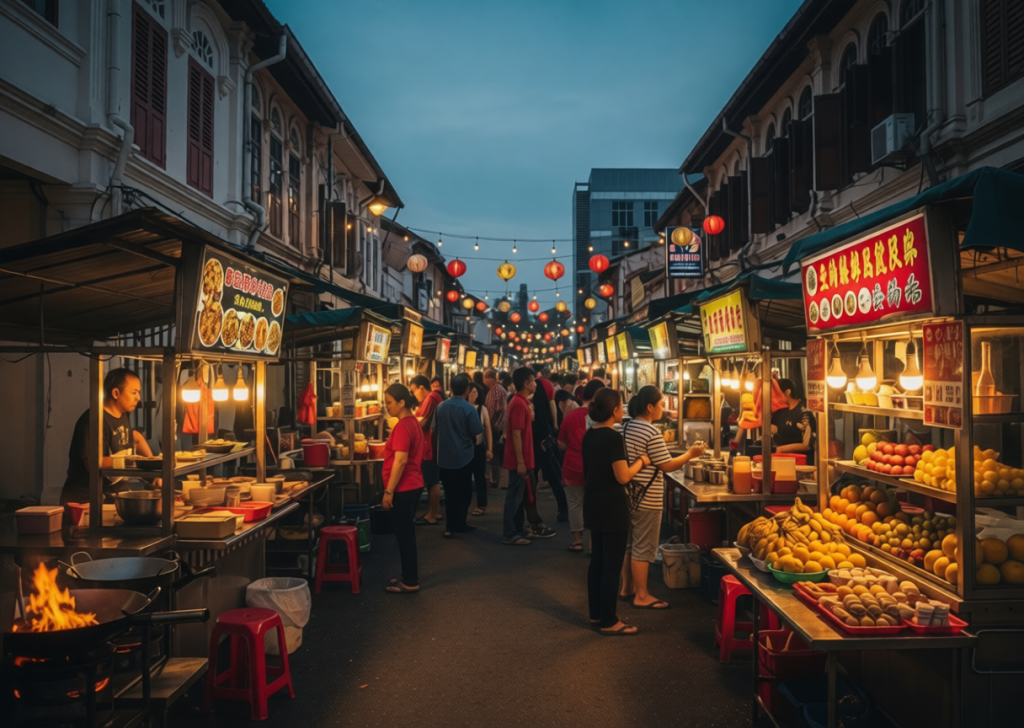
Food trucks and pop-up cafés, too, are key players. They allow aspiring chefs to experiment freely, responding to social media trends almost instantly. Across KL’s backstreets or Penang’s weekend markets, you’ll find these mobile innovators serving daring combinations that capture Malaysia’s culinary future one bite at a time.
Mixing Cultures Food: Global Influence on Malaysia
One of the attractions of Malaysian mixed cooking is the fact that it can welcome global influences without going out of touch with native palates. Foreign food influences over the last few years have blended so subtly into the nation’s cuisine.
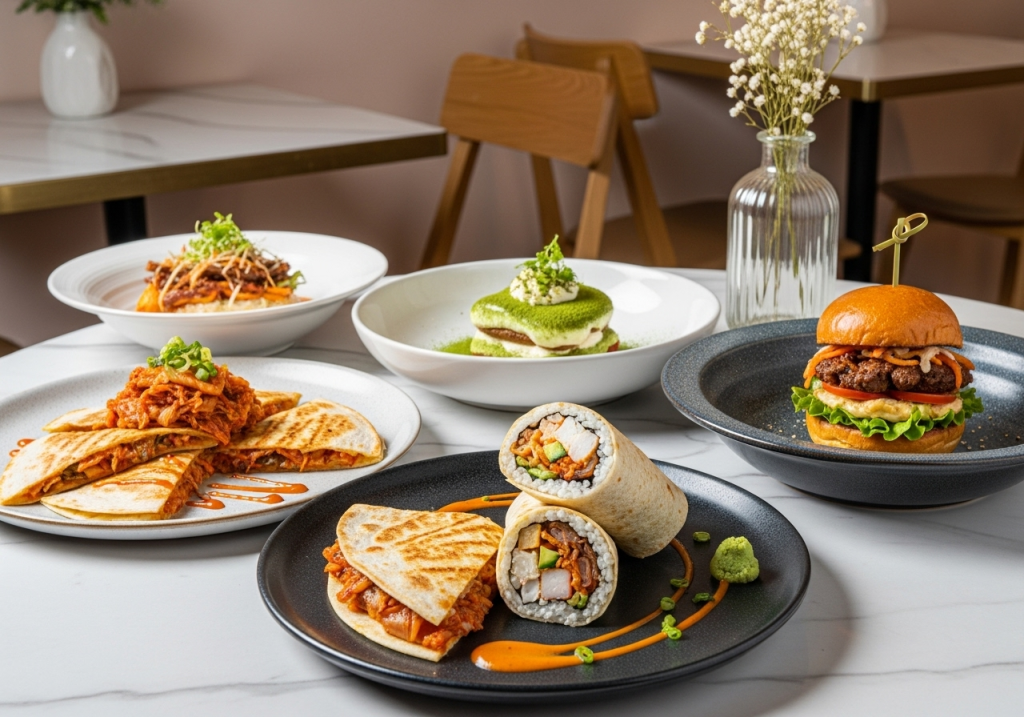
Japanese influences have seen dishes like sushi burritos, matcha desserts, and rice bowls featuring teriyaki seasoning. Mexican fusion is also now popular in the guise of rendang, sambal, or satay chicken-filled tacos, with spicy convenient food bridging two proud culinary traditions. Middle Eastern flavors like shawarma wraps seasoned with Malaysian spices further illustrate the cross-cultural play that typifies modern Malaysian food.
These clips reveal how Malaysian chefs universal flavors and make them really their own foods with a local and also global tale to share.
The Role of Social Media in Shaping Food Trends 2025 Malaysia
Today, with the age of technology comes social media influencers such as TikTok and Instagram, which are de facto food magazines of Malaysia. Every trending food dish, from gooey lava croissant to rainbow rice bowls, begins their lives on the internet before making their way onto cafés and food stalls.
Short, engaging shoot videos with striking plating, reaction to the taste, or preparatory background can turn modest cafés into overnight sensations. Food creatives and social media personalities are instrumental, pushing out-of-the-box meals into content that inspires others to try it at home.
That shift has democratized the culinary innovation arena now trained chefs and avid home cooks alike have the potential to shape Malaysia’s culinary arena. With hashtags and collaboration, food trends spread faster than ever before, and fusion food becomes a local fad as well as a shared digital experience.
Tips for Discovering Fusion Food Malaysia 2025
For all who are willing to surf this food wave, there is not a shortage of where to start. Check out Malaysian food artists on Instagram and TikTok. They post the freshest fusion food before they hit mainstream menus. Visit rotating pop-ups and hip cafes, where trial-and-error menus change weekly. Do not pass by the vegan corner; vegan rendang, tofu satay tacos, and jackfruit wraps are redefining healthy.
Finally, blend experiences mix casual street stalls with fine-dining fusion restaurants. You’ll not only discover new flavors but also understand how deeply fusion food reflects Malaysia’s cultural openness.
FAQ: Malaysian Fusion Cuisine in 2025
Q: What makes Malaysia’s fusion food unique?
A: It’s age-old multiculturalism. Malaysian cuisine naturally brings together Malay, Chinese, and Indian traditions, now added to by international influences and modern methods.
Q: Is fusion food a flash in the pan?
A: No chance. It’s an evolution of Malaysia’s identity, an imaginative continuation of the nation’s history of culinary exchange.
Q: Where do I eat the best fusion food in Malaysia?
A: Head to Kuala Lumpur cafes like Chocha Foodstore, or visit APW Bangsar’s pop-ups or Penang street stalls for experimental exploration for the latest innovations.
Q: Why do Gen Zs like fusion food so much?
A: Because it marries creativity, novelty, and social media frosting yet celebrates Malaysia’s diversity.
Q: How are global cuisines informing Malaysian fusion restaurants?
A: Chefs have been fusing Japanese, Mexican, and Middle Eastern techniques with local ingredients to create bold, distinctive dishes.
Conclusion
Malaysia 2025 fusion food is the nation’s unique ability to embrace the new without abandoning its heritage. Each bite is a tale of cultural interaction proof of how Malaysians coexist, dine, and innovate as one.
From nasi lemak croissants to kimchi curry laksa, every meal is a celebration of creativity and togetherness on a plate. With Gen Z revolutionizing the food scene, Malaysia takes pride in being the world’s ultimate fusion destination where heritage merges with modernity, and flavor has no limits.