
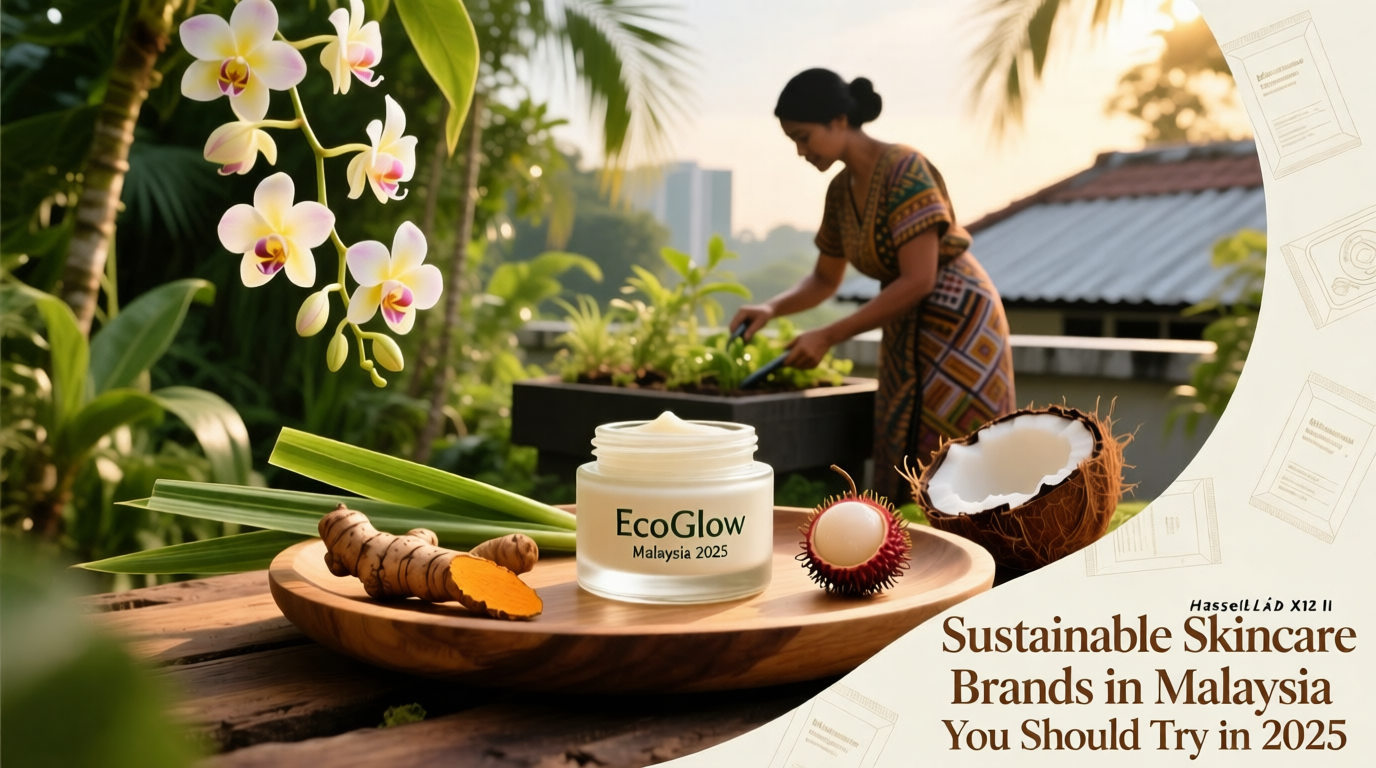

By 2025, sustainability in beauty has become a given and no longer a trend. Nowadays, Malaysia’s consumers are more aware of how their skincare choices are affecting the environment. Awareness about packaging waste up to ingredient sourcing has increased. More and more, therefore, a number of local and global brands in Malaysia have been introducing eco-friendly initiatives, cruelty-free testing, and results-driven formulas with responsibility in mind.
In Malaysia, skincare is sustainable, part of a worldwide trend, yet distinctly local in character. Most of the brands use natural herbs, tropical fruits, and traditional remedies to offer solutions that work yet are culturally relevant. It’s this mix of modern science with the country’s rich local heritage that’s driving the eco-conscious skincare market in Malaysia.
Why Sustainability Matters in Malaysian Skincare
Malaysia faces an assortment of unique environmental problems. Plastic pollution and loss of biodiversity stand out as some of the serious issues to which the rise in skincare consumption contributes. Sustainable skincare gives customers the chance to take care of their skin while reducing their ecological footprint.
Sustainability for Malaysian consumers means selecting products that feature:
- Eco-friendly, recyclable packaging to reduce plastic waste.
- Locally sourced natural ingredients to support local farmers.
- Cruelty-free & vegan formulations, never tested on animals.
- Clean supply chains; ethically produced goods.
- Brands that support community or environmental initiatives
Green skincare enables Malaysians to make choices that would be beneficial for both their skin and the environment.
Top Sustainable Skincare Brands in Malaysia
A few Malaysian brands are leading the way in eco-conscious beauty. These are some of the standout names with regards to melding local ingredients together with active formulations and sustainable practices.
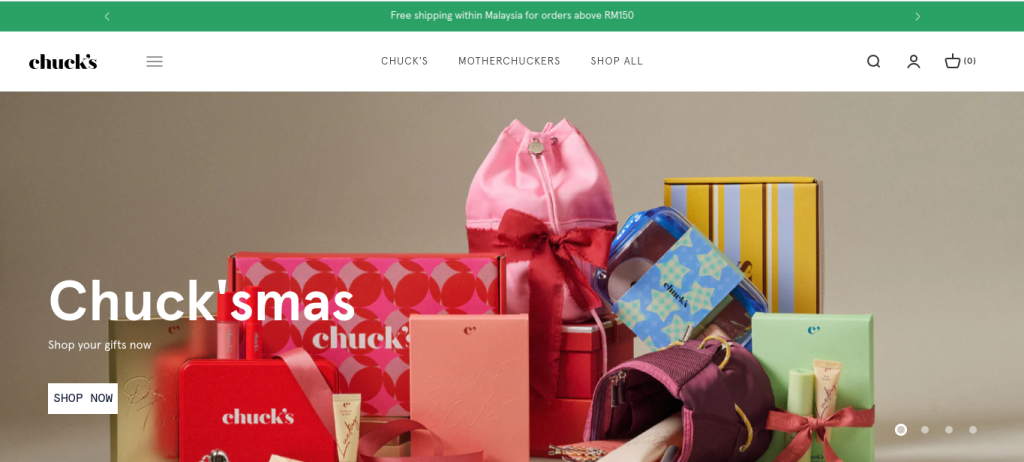
Chuck’s: This is positioned as a brand for its minimalistic design and eco-friendly sheet masks. Chuck’s focuses on clean ingredients, recyclable packaging, and innovative formulations.

Handmade Heroes Malaysia : offers a line of vegan, cruelty-free skincare products, starting from lip scrubs to lip balms, using plant-based ingredients in each product, which it claims is a testament to its commitment to sustainability and ethics in production.
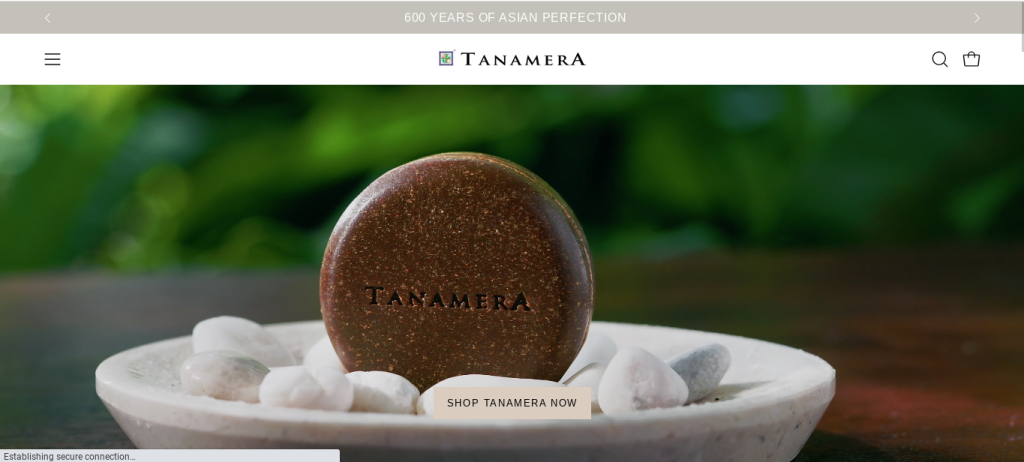
Tanamera : Pioneered sustainable beauty in Malaysia, using traditional herbs and flora for soaps, scrubs, and oils. Its eco-friendly approach extends from the product right through to its biodegradable packaging.

Claire Organics : a purveyor of handcrafted soaps, essential oils, and balms, sourcing their ingredients locally. This brand balances natural formulations with community-oriented ventures.
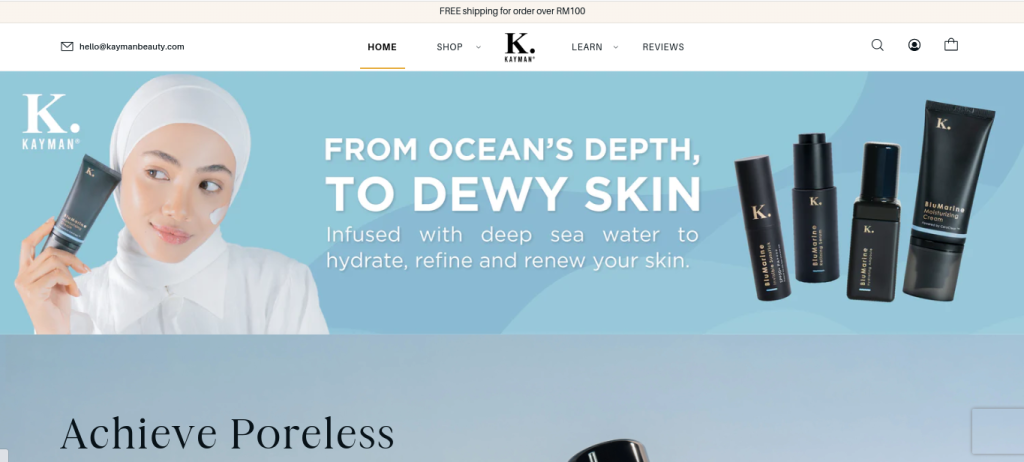
Kayman Beauty: This brand is known for its brightening serums, but lately, it has been doing quite a bit to focus on clean ingredients and sustainable packaging. It’s proof that even performance-focused skincare can be environmentally responsible.
They prove that ‘local’ beauty indeed can be innovative, eco-conscious, and run parallel to international names.
International Brands Making Their Mark in Malaysia
Besides local innovators, various international brands also focus on sustainability in Malaysia.
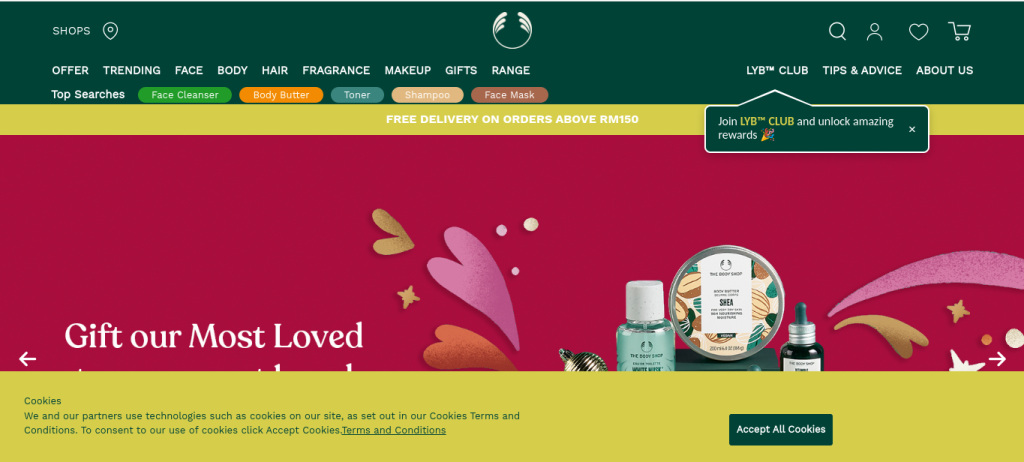
The Body Shop : Provides refill stations to reduce plastic waste, while promoting fair trade sourcing. Now, its global sustainability practices are actively visible in Malaysia.
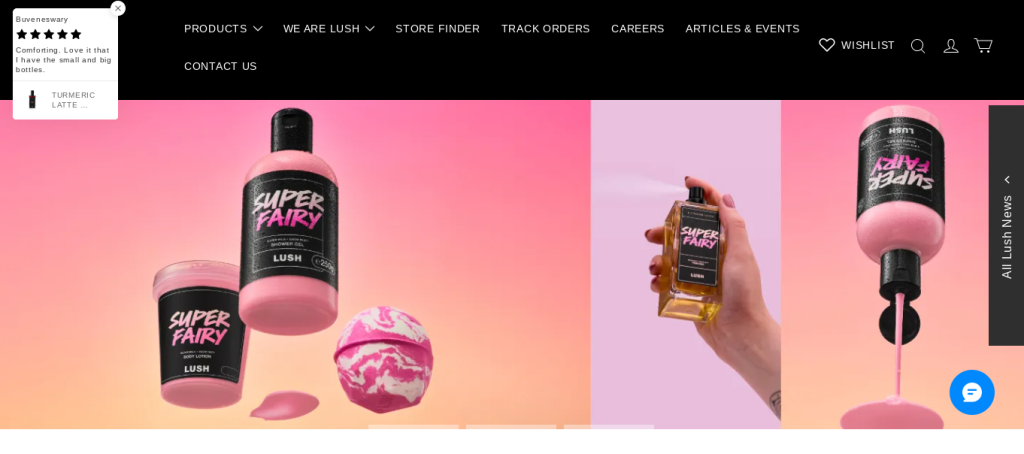
Lush: From their shampoo bars to bath bombs, this innovative store has been founded completely free of packaging, which cuts down on single-use plastic and encourages conscious consumption.
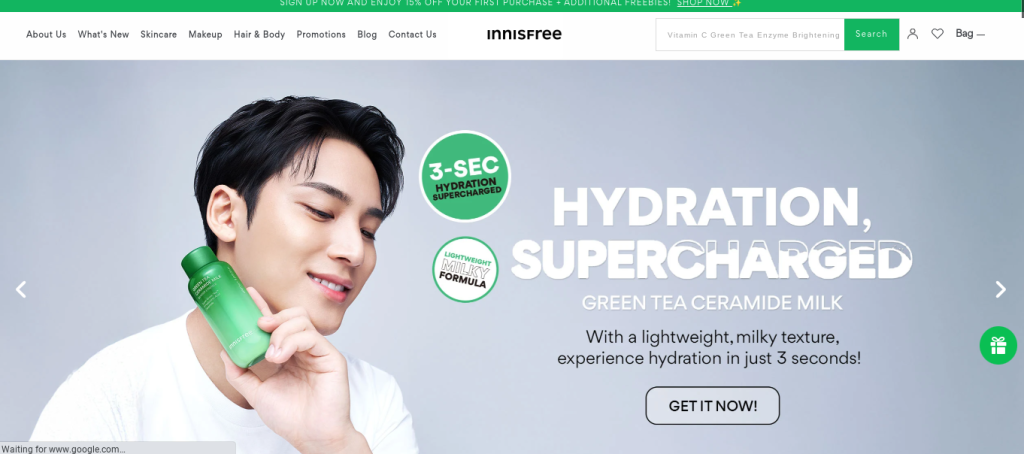
Innisfree: Offers eco-friendly packaging programs where customers can return the empty containers, and then they will be reused, thus supporting a circular beauty economy.
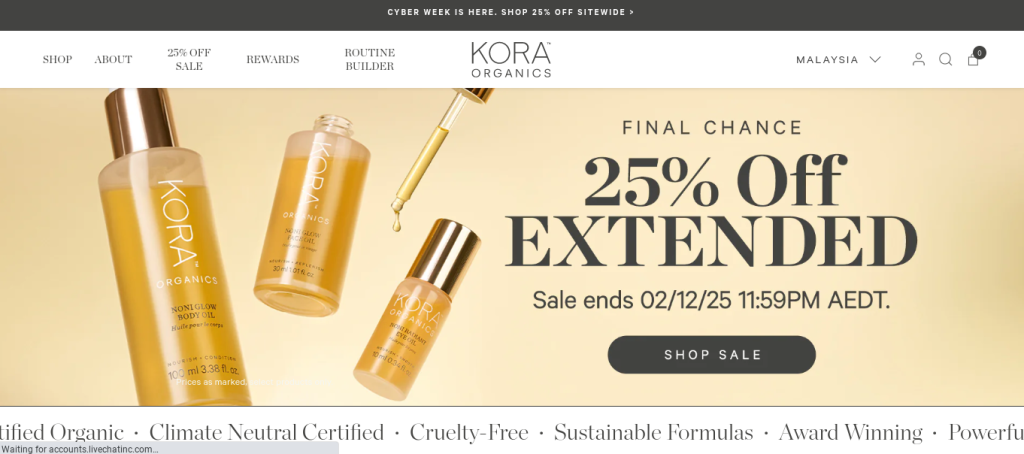
Kora Organics : certified organic ingredients in clean formulations; it is now available for Malaysian consumers in pursuit of greener options.
These international brands then raise the bar with respect to eco-conscious practices, forcing the local players to innovate while teaching consumers about sustainability.
Eco-Friendly Packaging: The New Standard
The most obvious changes to sustainable skin care involve packaging, from biodegradable wraps to containers, in the effort of Malaysian brands trying to reduce landfill waste. Glass jars take center stage, replacing many plastics and offering a means of storage that is reusable and recyclable. Refill pouches for serums, toners, and cleansers surge in popularity because they do help reduce overall consumption of packaging, while recyclable aluminum bottles offer lightweight, more sustainable options. The shift in packaging toward greener methods meets the growing demand of the consumer market but also voices a brand’s commitment to taking responsibility for environmental concerns.
Natural Ingredients Rooted in Malaysian Tradition
Most skincare products in Malaysia take a cue from local remedies or ingredients that make the product effective and beneficial. Many brands would often embrace homegrown resources that are effective yet carry cultural significance. Turmeric is popular for anti-inflammation and brightening, while lemongrass and pandan hydrate and cool sensitive skin.
Virgin coconut oil deeply nourishes and offers antibacterial benefits. Bird’s nest extract firms up skin to encourage anti-aging and skin regeneration. Papaya and pineapple enzymes exfoliate gently for a glowing complexion. Mixing traditional knowledge with modern formulation gives Malaysian brands skincare products that are real and truly deliver.
How to Choose Sustainable Skincare in Malaysia
Switching to green beauty does not have to be overwhelming. First, look for certifications for cruelty-free, vegan, and organic products; these showcase responsible sourcing and manufacture. Support local brands that make use of natural, traditional ingredients with the view of empowering environmentally friendly practice within the community.
Secondly, choose products in refillable or recyclable packaging to reduce waste; take a closer look at ingredient lists, avoiding unfriendly chemicals like parabens and sulfates. Eco-friendly skincare is both functional and effective when a long-term approach to skin health takes priority over immediate aggressive action. Even the tiniest change in daily purchases can add up to a healthier environment and skincare practice that is more responsible.
FAQs on Eco-Friendly Skincare Brands in Malaysia
Q1: What makes a skincare brand sustainable in Malaysia?
It also follows sustainability for skincare packaging that is either eco-friendly or recyclable, and its ingredients are all-natural, cruelty-free.
Q2: Are Malaysian skincare brands really sustainable?
Yes, they do. Brands like Tanamera, Claire Organics, and Handmade Heroes make use of biodegradable packaging and locally sourced ingredients to help both communities and the environment.
Q3: Is sustainable skincare more expensive?
Well, not necessarily; some of the products are bound to be a bit more expensive because of sourcing, but most of the Malaysian brands remain within an affordable budget.
Q4: Which international sustainable brands are available in Malaysia?
Popular options include The Body Shop, Lush, Innisfree, and Kora Organics. All these are highlighting eco-friendliness.
Q5: How do I transition into sustainable skin care?
Begin with the small things: choose refillable products, support local eco-friendly brands, and reduce your single-use plastics in daily life.
Conclusion
The rise of sustainable skincare brands in Malaysia in 2025 is going to be huge, reflecting growing awareness of the connection between beauty and environmental responsibility. From local names like Tanamera, Claire Organics, and Chuck’s to international giants like The Body Shop and Lush, Malaysians can now embrace a whole raft of eco-conscious options.
Embracing sustainable skincare-that will invest in healthier skin-means creating a cleaner and greener future. It is true that 2025 is considered the perfect time to explore these eco-friendly brands, since the Malaysian beauty industry is growing toward solutions that balance efficacy, affordability, and sustainability.