

Cashback credit cards remain a practical choice for Malaysians seeking steady savings from everyday spending. Dealing without the hassle of points or complicated redemption rules, these cards offer direct rebates that simply appear as deductions on your monthly statement. During 2025 and 2026, Malaysian banks have continued to enhance cashback structures through higher rebate caps, more useable spending categories, and wider coverage of e-wallet payments and utility bills. The takeaway: cashback cards feel more in tune with how people actually spend today.
This guide explains how cashback cards work in Malaysia, what features matter most, and how to choose a card that fits your real-life spending. Whether you’re buffering household costs or trimming personal monthly outlays, cashback remains one of the most dependable ways to maximize value from card use.
Why Cashback Credit Cards Keep Attracting Malaysian Cardholders
Cashback cards are for those who appreciate clarity and predictability; every eligible purchase has a known rebate, and that amount goes directly on to your bill. There’s no guesswork over point values or expiry dates.
As more spending goes online, so have banks updated cashback structures. Online shopping, topping up e-wallets, and recurring utility payments are now increasingly included. This alignment with real-world spending helps explain why cashback cards remain popular across different income levels.
Key Features to Consider When Choosing a Cashback Credit Card
Rebate Percentage
The cashback rate shows the amount of money you get back from the eligible spending. In Malaysia, cashback cards usually offer about 5% to 15% on selected categories. Higher rates come with stricter terms, so value depends on how closely your spending matches the card’s focus.
Monthly Cashback Cap
Most cards cap the rebates monthly, ranging from RM30 to RM60. Any additional spending beyond that is not entitled to cashback. Knowing this will help you estimate how much you can save and therefore plan your spending.
Minimum Monthly Spending Requirement
Some of the cards require a minimum spend for the cashback to kick in. This suits steady spenders but can be less valuable for irregular spenders. Cards without a minimum usually offer more flexibility.
Annual Fee Structure
Many cashback cards in Malaysia are free for life or waive annual fees with basic annual spend. It only makes sense to pay an annual fee if yearly cashback comfortably surpasses the cost.
Eligible Spending Categories
The strongest cashback cards focus on essentials: groceries, dining, petrol, utilities, and topping up your e-wallets. Cards with narrow or seasonal categories may have high rates but lower practical uses.
Income Requirement and Accessibility to Approval
Minimum income levels range from RM24,000 to RM36,000 annually. Lower thresholds make it more accessible to younger earners, while higher-tier cards may have broader benefits with stricter eligibility criteria.
Top Cashback Credit Card Types Available in Malaysia
All-Purpose Cashback Credit Cards
These cards give rebates across multiple everyday categories: groceries, dining, petrol, online spending. They prioritize flexibility over the highest advertised rates. Good for someone who wants a single card for most expenses.
Food-Centric Cashback Credit Cards
Focused on supermarket and dining expenses, these cards often return higher rebates on food-related purchases. They suit families with steady grocery and dining costs.
Petrol and Digital Spending Cashback Credit Cards
These cards, targeted at drivers and digital-first spenders, normally reward petrol and select e-wallet top-ups to align with fuel-buying habits and cashless habits.
Cashback Credit Card Comparison Overview
Cards with broad category coverage have cashback of up to about 10%, with monthly caps near RM50. The income usually starts from around RM36,000, while the annual fees are often waived.
Food-focused cards can advertise up to 15%, but normally have more strict caps: RM30–RM50 a month. They are best for users who have regular food spend.
Petrol and e-wallet cards often provide 8–10% cashback with lower caps, and most have much more attainable minimum incomes of around RM24,000, thus making them more attractive to younger buyers.
How to Maximize Cashback Value Over the Year
Having multiple cashback cards can help one avoid hitting the monthly cap too quickly. Pair cards with spending categories to maximize overall rebates.
Pay attention to the monthly caps and try to time purchases during promotional periods to maximize the returns. Above all, pay in full each month so interest doesn’t erode your cashback.
How to Apply for a Cashback Credit Card in Malaysia
The applications are usually online. You will be required to provide ID, recent proof of your income-like payslips or EPF statements-and supporting financial records. Approval usually takes a few days up to two weeks, depending on your credit profile.
FAQ: Cashback Credit Cards Malaysia
Which cashback credit card is best in Malaysia?
The best card depends on how you spend: Households may benefit more from food-focused cashback, while drivers and digital users gain more from petrol and ewallet structures.
Does cashback apply to e-wallet transactions?
Yes. Many banks include some e-wallet reloads as part of the qualified cashback spend, capped and subject to terms.
Do cashback credit cards normally come with annual fees?
Many are free for life or waive annual fees with minimal spending. Cards with unavoidable fees should be weighed carefully.
How much cashback can you realistically earn each year?
Regular users will have to save around RM300–RM600 yearly, depending on spending patterns and how well you utilize cashback caps.
Conclusion
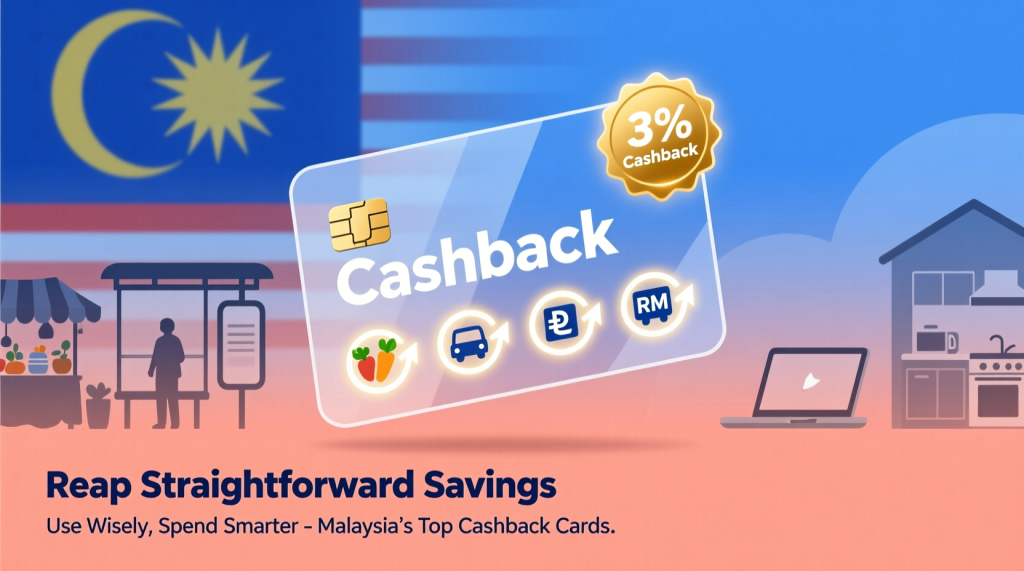
Cashback credit cards in Malaysia, reap straightforward savings on everyday spending. By choosing a card that reflects your actual spending and using it judiciously, cashback is a trusty tool to cut monthly costs and make each ringgit stretch further.