
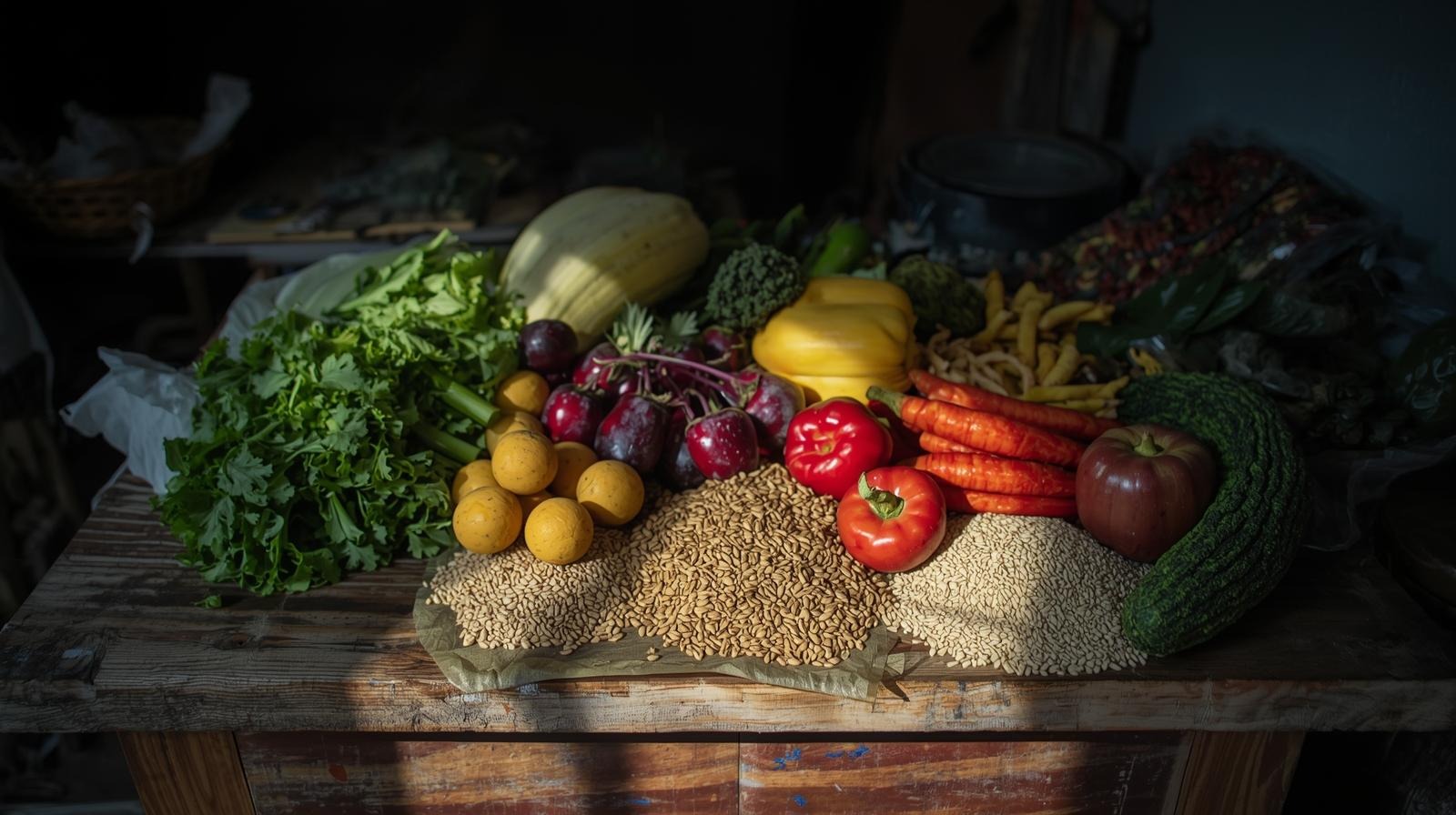

Healthy eating lifrstyle in Malaysia is a real challenge for many households, as prices for healthy foods are climbing faster than regular groceries. Healthy Eating Malaysia has become a main topic in families as they try to balance nutrition against affordability. When fresh produce, proteins, and organic items stay pricey compared to their processed counterparts, every household feels the squeeze. Many families wish to lead a healthier lifestyle, yet with tight budgets, it becomes difficult to sustain such resolve. Getting healthy on a budget involves careful planning and knowing which nutritious meals are budget-friendly, and more households are trying to stretch their food budgets while still hitting basic nutrients.
The country is in a wave of healthy eating, but the purse strings are painfully tight. The increased cost of vegetables, fruits, poultry, and other vital proteins is forcing families to rethink menus every week. More expensive imported varieties, local goods that still wobble with inflation and supply-chain hiccups-the cost of living for all continues to rise, and food remains one of the biggest monthly expenses. Food spending by households in Malaysia keeps increasing as many households use cheaper, calorie-dense food rather than nutritionally balanced choices. This article will elaborate on why healthy eating is expensive, how this factors into Malaysian households, and practical strategies families can employ to maintain nutritious meals without increasing overall expenditure.
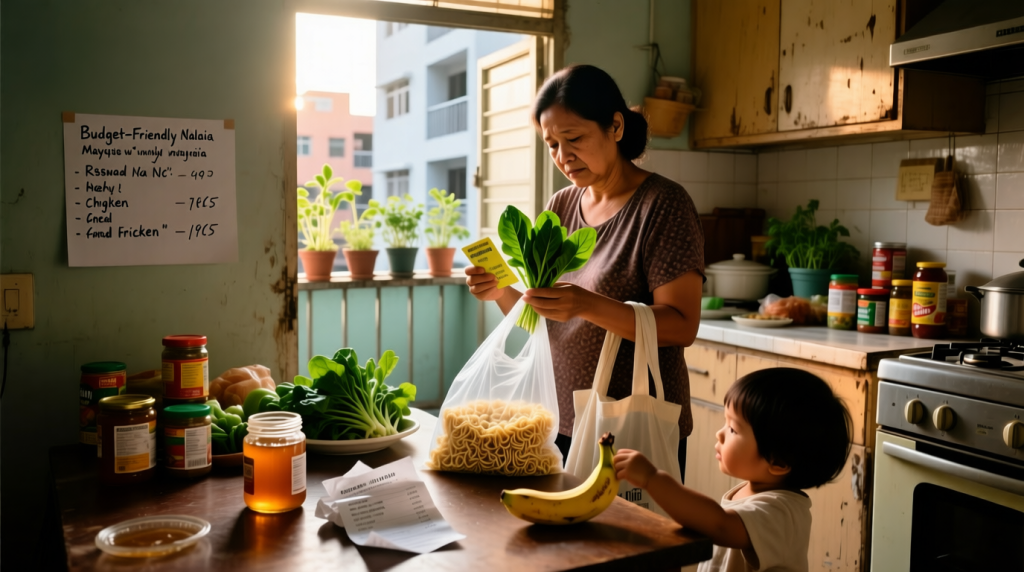
Why healthy foods are getting pricier
Healthy options remain expensive at many junctures along the value chain. Fresh produce is costly because much of it is imported and requires careful handling, storage, and distribution. Local produce, in turn, sometimes shows price spikes in tight seasons, while organic choices nearly always bear a premium. Protein sources such as chicken, fish, and lean meats are more expensive because of the higher production and logistics costs in the country. Most families reduce portions of protein to make it more affordable, although it is crucial for health.
Organic and specialty foods are costlier because they require alternative farming practices and certification. Superfoods, specialty grains, and branded health products are usually beyond the budget of an average household. Inflation determines the retail prices for foodstuffs, while transportation increases the cost of fresh foods. Distributors have to deal with higher fuel costs, increased storage, and labor, all of which are passed on to consumers. Surveys indicate the proportion of spending on groceries is much higher than it used to be; this makes it difficult to prioritize healthy food options.
Impact on daily life
The rising cost of healthy foods hits daily life on many fronts. Budget limits are forcing families to turn to cheaper, filling foods with less nutrition. Many rely on processed foods for affordability and convenience-even if they include added sugars, fats, and sodium. Families with more children tend to get squeezed harder, since healthy meals require consistent, weekly spending.
Limited access to affordable, nutritious meals creates gaps in basic vitamins and minerals. Prices become a concern for too many, where a limitation on fruits and vegetables can bring long-term health repercussions. Other families make sacrifices in areas other than nutrition just to keep a balanced diet intact. When affordability means settling for cheaper options, increased health risks involve obesity, diabetes, and heart diseases. These challenges really outline the greater need for smarter meal planning and awareness of healthy, affordable choices.
Healthy Eating on a Budget: Tips
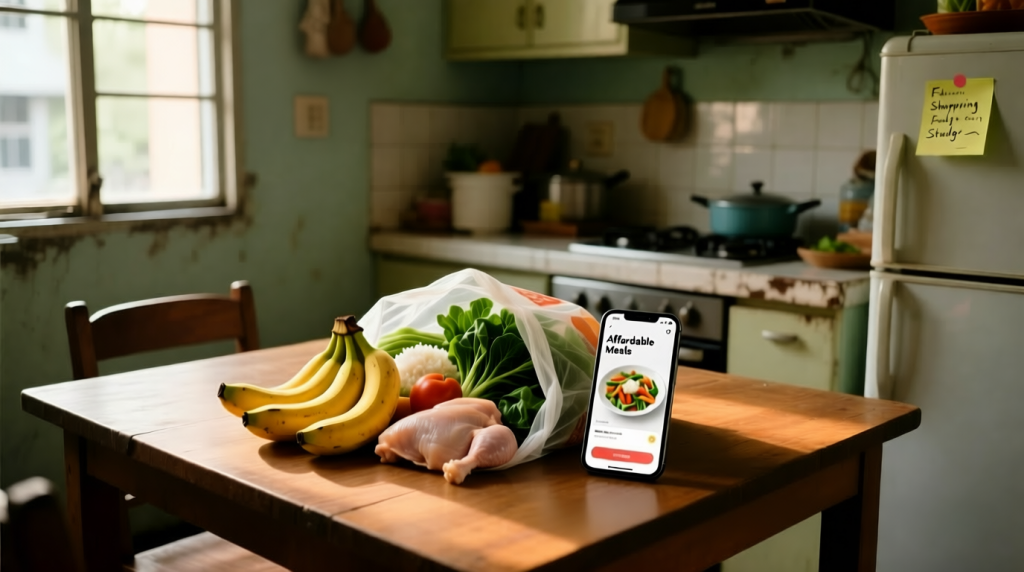
Eating healthy can be within your reach, simply by making wise choices. You can shop for seasonal produce, which is often locally grown. These items are cheaper because they come in bulk and last longer. Meal planning beforehand saves money because it can reduce waste and impulse buying. Weekly meal planning will help you plan menus that use some of the same ingredients in multiple dishes.
Buying in bulk and then freezing key items will reduce long-term spending. Grains, vegetables, and proteins purchased in bulk, if stored properly, will reduce the number of repeated trips and last-minute buys. Plant-based proteins like beans, lentils, and tofu have good nutrition value and generally cost less than meat. Increasingly, more families are incorporating these foods to help manage monthly food spend.
Growing a small portion of herbs and vegetables at home could boost nutrition. Easy ones to grow, like spinach, chili, basil, or mint, can thrive in tiny spaces and cut down on shopping. These simple changes will help to maintain nutritious meals while keeping budgets in check.
Food spending trends
Recent data indicate that an average Malaysian household spends about RM800 to RM1200 a month for groceries. A big share of the budget goes to fruits, vegetables, and protein, but the rising prices make it hard to keep up. Households spending more than 30% of their grocery budget on fresh food struggle to stay balanced through the month.
These options and simple recipes for health are usually encouraged through community programs and awareness campaigns. Younger families tend to seek out digital content pertaining to affordable nutrition, meal preparation ideas, and other ways of saving money. Although healthy eating is expensive, informed choices can ease the financial burden of maintaining nutrition.
FAQ – Healthy Eating Malaysia 2025
Why is healthy food more expensive in Malaysia?
Production methods, import fees, storage, transport, and the restricted organic supply create upward spiraling costs.
Is it possible to eat healthily on a low budget?
Yes,Consider meal planning in advance, purchasing seasonal produce, and selecting affordable proteins such as eggs, beans, and tofu.
Are processed foods always cheaper?
Processed foods are generally cheaper but carry more sugar, salt, and preservatives that have a bearing on long-term health. Organic food:
Is it a necessity for healthy eating?
Organic is not necessary; non-organic fruit and vegetables also offer good nutrition when properly washed and prepared. –
How can households reduce food waste?
Plan meals, store food properly, and reuse leftovers in order to extend the budget.
Conclusion
Eating healthily remains costly for Malaysian households as prices for fresh, protein-rich, and organic foods rise. Families have to balance financial limits with the goal of a healthy lifestyle, and success comes from planning and awareness. Strategic actions, such as buying seasonal fruits and vegetables, using plant-based proteins, and consistent meal planning, enable families to enjoy healthy nutrition without increasing monthly expenditures. The community programs and public awareness help to steer households through various practical, everyday methods. With more Malaysian families engaging in practices that are budget-friendly, healthy eating can be accomplished even in a tough economy.