
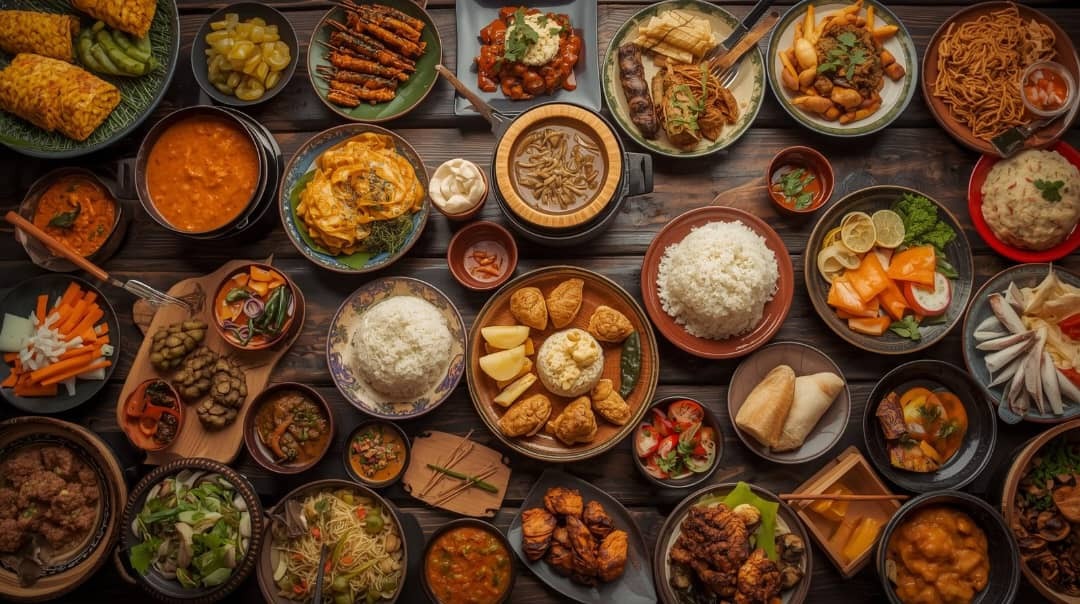

Malaysian Street Food and traditional dishes food is one of the most diverse in Asia, bringing together popular Malaysian foods, traditional Malaysian dishes, and vibrant street food culture into one culinary experience. The country’s mix of Malay, Chinese, Indian, and indigenous influence. From bustling street stalls to refined dining rooms, every dish carries a piece of the country’s heritage. Eating Malaysian food isn’t just about sustenance; it’s a journey through tradition, history, and community. This guide highlights over 30 must-try dishes, exploring their origins, regional variations, and where to find the best versions.
Malay Cuisine – Flavors of Tradition
Nasi Lemak
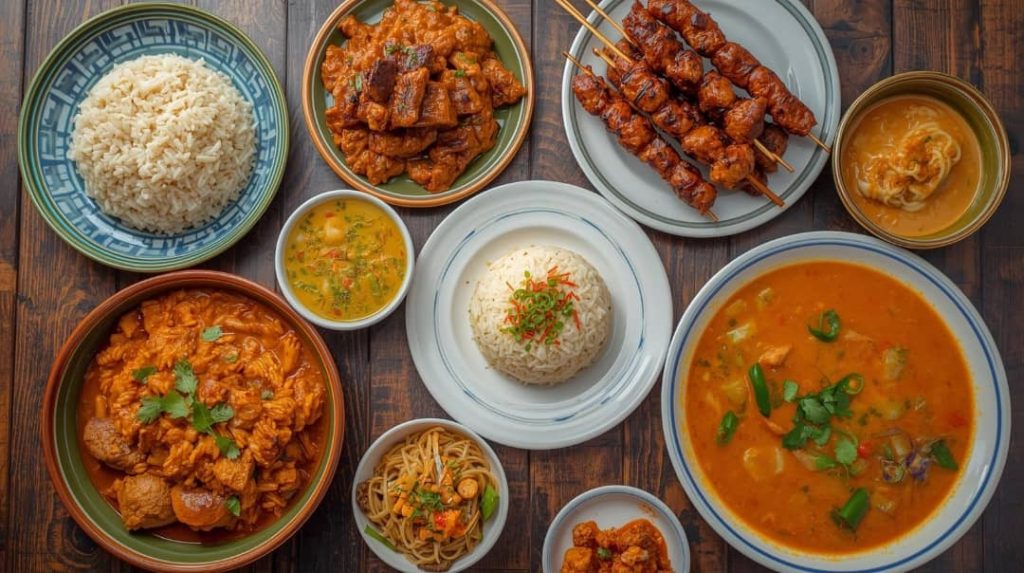
Malaysia’s national dish: coconut rice with spicy sambal, crispy anchovies, peanuts, cucumber, and a boiled egg. Once a morning staple, today you’ll spot it at roadside huts and spots like Village Park in Damansara.
Rendang
A slow-cooked, spicy meat dish enriched with coconut milk and aromatics. Traditionally tied to festive occasions and varying by region. Padang-style rendang is notably dry and intensely flavorful, a dream for meat lovers.
Satay
Grilled marinated meat on skewers, served with peanut sauce, cucumber, and compressed rice. Night markets are ideal for satay, with Kajang’s version celebrated for its depth and smokiness.
Nasi Kerabu
Kelantan’s blue-hued rice paired with herbs, served with fish or chicken and ulam (traditional salad). Its vivid colors and fresh ingredients make it as nutritious as it is striking.
Laksa Johor
A spicy fish noodle soup from Johor, distinguished by spaghetti instead of rice noodles and a thick, robust gravy.
Mee Rebus
Egg noodles in a sweet potato-based gravy, topped with a boiled egg and lime. A northern Malaysian street-food favorite and comforting to many.
Ayam Percik
Grilled chicken bathed in coconut milk and spices. Often seen at Eid celebrations, it brings a smoky, festive flavor enjoyed nationwide.
Chinese-Malaysian Favourites
Char Kway Teow
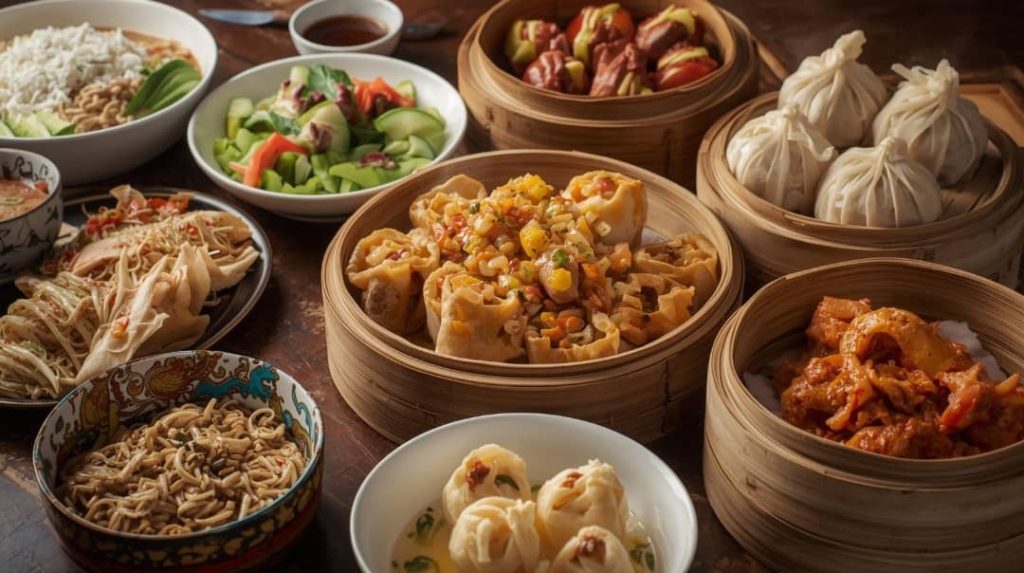
Flat rice noodles stir-fried with prawns, cockles, Chinese sausage, and bean sprouts. Penang’s smoky, high-heat rendition is a must for noodle lovers.
Hainanese Chicken Rice
Poached chicken with aromatic rice and chili sauce, simple and satisfying, and a staple for Malaysian Chinese.
Bā Kut Teh
Pork rib soup in a herbal broth. Teochew-style is clear, Hokkien-style darker and more herbal, a Klang Valley staple.
Dim Sum
Small bite-sized steamed dumplings and snacks, perfect for breakfast or brunch and for sampling several flavors.
Wantan Mee
Egg noodles with dumplings, char siu, and greens; a common sight in Kuala Lumpur’s hawker centers.
Yong Tau Foo
Tofu filled with meat paste in soup or fried. A versatile, comforting favorite, especially in Ampang.
Delights of the Indian-Malaysians
Roti Canai
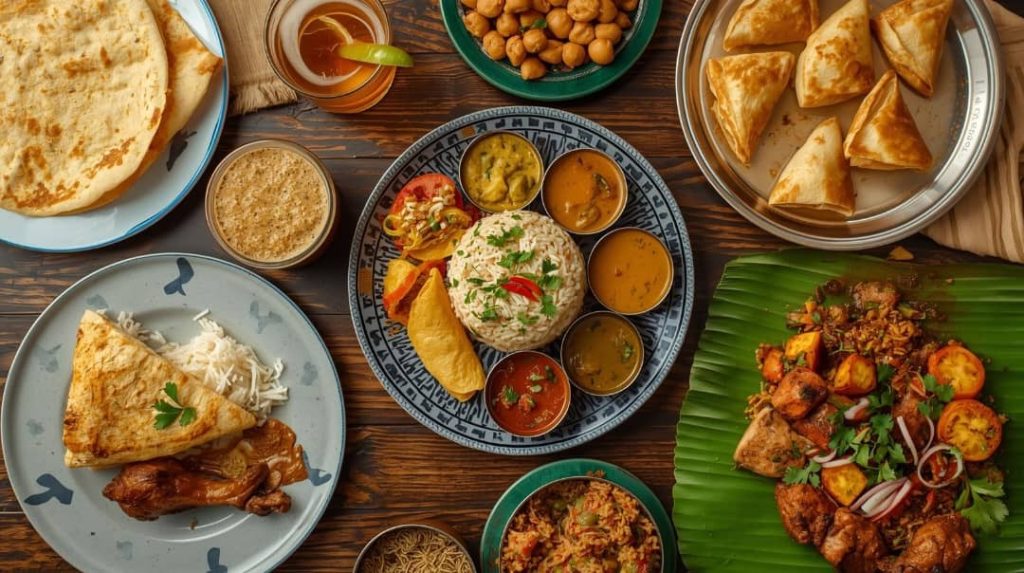
Flaky flatbread served with dhal, curry, or sugar. A South Indian influence, best enjoyed at local Mamak stalls.
Teh Tarik
Foamy “pulled” tea, Singapore-Malaysia’s famous drink; consume it fresh at a roadside stall for maximum effect.
Nasi Kandar
Steamed rice served with mixed curries and side dishes, originating from Penang; a sample of Indian influence in Malaysian cuisine.
Murtabak
Pancake filled with meat, onions, and egg, and commonly taken as a snack or dinner.
Tandoori Chicken
Marinated with spices and then grilled to a smoky, aromatic bite—a true reflection of the Indian-Malaysian infusion of cuisines.
Banana Leaf Rice
Rice served with curries, vegetables, and side dishes on banana leaves. A traditional South Indian dinner and is equally popular in Malaysia.
Street Foods & Snacks
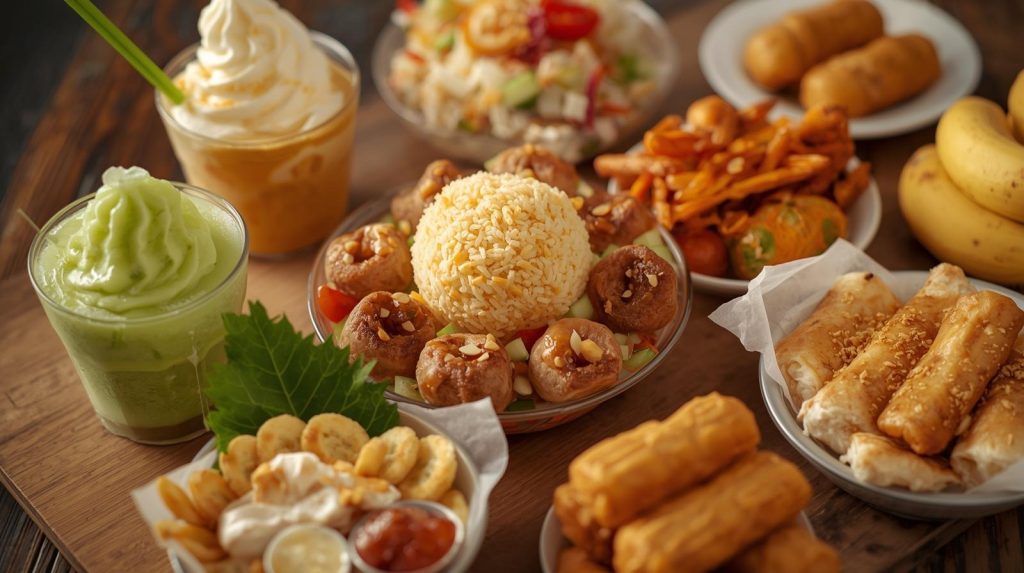
Cendol – refreshing dessert of shaved ice served with green jelly, coconut milk, and palm sugar during hot days.
Ais Kacang – an icy mix of beans, jelly, syrups, and condensed milk.
Rojak – This fruit-and-vegetable salad comes with peanut sauce, finding a delicate balance between sweet, sour, and spicy.
Keropok Lekor – Terengganu-style deep-fried fish crackers served with chili sauce.
Apam Balik – sweet pancake stuffed with peanuts, sugar, and corn sold by street hawkers.
Pisang Goreng – deep-fried banana, the standard evening snack from the streets of Malaysia.
Otak-otak – fish paste steamed in banana leaves; also popular in Penang & Johor.
Popiah – a thin spring roll filled with vegetables, meat, or seafood. Common at night markets.
Regional Specialties
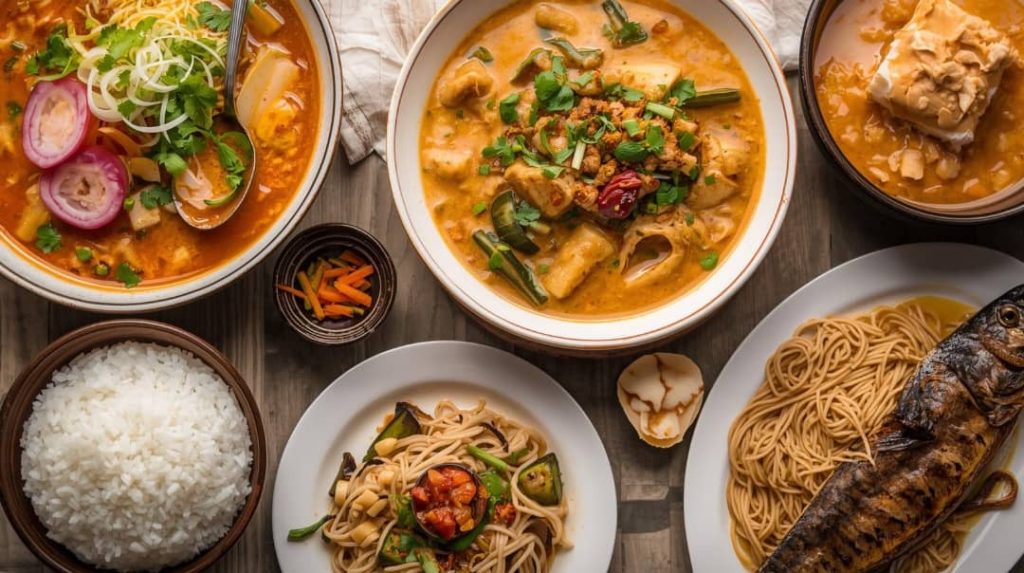
Penang Assam Laksa – sour noodle soup made with mackerel and tamarind; best in Penang.
Sarawak Laksa – coconut prawn-based noodle soup, different from Penang’s version.
Kolo Mee – Sarawak dry noodles tossed with char siew, shallots, and light sauce.
Nasi Dagang – coconut rice with fish curry, specialty of Terengganu.
Kueh Lapis – layered sweet dessert found in many states.
Ikan Bakar & Sambal Stingray – grilled fish or stingray served with a spicy sambal, great for coastal towns and night markets.
Must-Try Drinks

Air Bandung – Rose syrup with evaporated milk, a childhood favorite.
Milo Dinosaur – iced Milo topped with extra Milo powder.
Sirap Limau – refreshing lime syrup drink.
Teh Halia– soothes and warms up, ginger tea.
Fresh Coconut Water – sold in the roadsides as purely refreshing and thirst-quenching.
Barley Drink – sweet, cooling, and served chilled.
Food Travel Tips
Food streets: Penang, Kuala Lumpur, Melaka, Kota Kinabalu
Best time: evening pasar malam markets offer the widest variety
Festivals: Hari Raya, Chinese New Year, and Deepavali bring special dishes.
Tasting etiquette: sharing dishes widens your tasting range
FAQ – Must-Try Malaysian Street Food & Traditional Dishes
1. What is Malaysia’s most iconic dish?
Nasi Lemak is widely regarded as the national dish.
2. Are Malaysian foods spicy?
Malay and Indian dishes tend to be spicy; Chinese and fusion plates are milder.
3. Are halal options available for tourists?
Yes, halal eateries are widespread and certified.
4. Are there vegetarian options?
Yes, dishes like Rojak, Cendol, and vegetable laksa work well.
5. Where can I find authentic street food?
Penang, Kuala Lumpur, and Melaka are top picks.
6. Can regional specialties be found outside their home state?
Yes, though authenticity shines brightest locally (e.g., Penang Assam Laksa in Penang).
Conclusion
Malaysia’s food landscape is abundant, diverse, and deeply woven into its culture. From rendang and satay to Chinese noodles, roti canai, street snacks, desserts, and drinks, there’s something to satisfy every palate. Exploring these 30-plus popular Malaysian foods offers a true taste of Malaysia’s history, traditions, and flavors. For locals and visitors alike, eating these dishes is more than a meal—it’s an invitation to experience Malaysia itself.