

Introduction
In 2025, wearable tech health are considered essential for modern health and everyday wellness. Since they now play an active role in monitoring real health conditions, these devices are no longer perceived as simple fitness tools. From wrist-worn devices tracking heart rhythms to sophisticated biosensors able to detect stress patterns, this technology is transforming the way individuals approach their wellbeing. The rapid surge of wearable health technology in popularity marks the significant shift toward active preventiveness with people having access to reliable real-time information and practical insights to support healthier daily choices.
This is a shift that continues to accelerate as new devices become more accurate and deeply connected with healthcare systems. You can now monitor your sleep patterns, track your body signals, and understand your fitness progress using data that feels personal and actionable. As the technology grows smarter, wearables move closer to becoming essential tools for both individuals and healthcare providers. This article explores where wearable technology stands today and the direction it will take as it becomes more integrated into modern health practices.
Smartwatches: Your Daily Health Companions
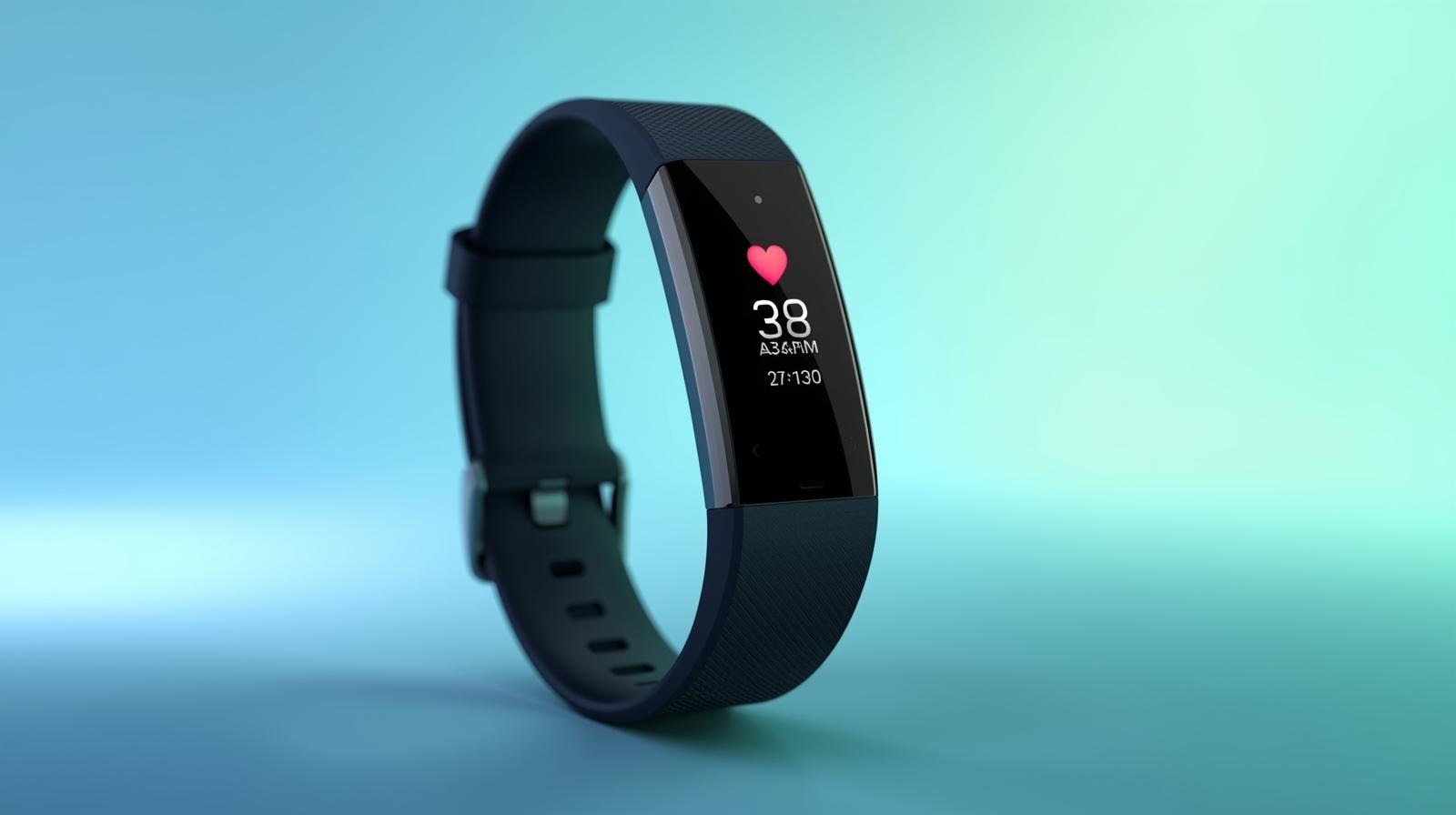
Smartwatches today go beyond merely counting your steps. These devices track important heart readings that help you understand your cardiovascular activity throughout the day. Many leading models now include ECG sensors providing early warnings when irregular heart patterns appear. You’re even capable of measuring your blood oxygen levels for a clearer view of your respiratory and general physical performance.
Sleep tracking has become increasingly sophisticated, with smartwatches now offering in-depth analytics about your sleep cycles. Such insights enable you to recognize patterns related to the quality of your sleep and provide recommendations that lead to healthier behaviors. AI-powered fitness coaching has also become mainstream, providing real-time training advice that dynamically adjusts to reflect your performance and recovery state. Popular devices like Apple Watch, Samsung Galaxy Watch, and Fitbit have raised the bar high for how users will continue interacting with their health data. These wearables have turned into trusted companions that assist daily routines with information that feels simple, accurate, and easy to comprehend.
Beyond the Wrist: Expanding Forms of Wearable Tech
The world of health wearables is expanding quickly, moving from smartwatches into new categories offering different ways to track wellbeing. Smart rings are becoming popular among users who wanted continuous monitoring in a smaller and discreet form. Devices like Oura Ring provide round-the-clock tracking of sleep, activity, and readiness, thus making them quite attractive to individuals who prefer minimal designs.
Wearable patches are attracting interest with their capabilities, from measuring hydration levels to glucose readings to stress indicators, directly from the skin. These patches offer noninvasive monitoring and provide continuous data that gives a clear view of changes happening inside the body. Another exciting category is smart clothing. Smart shirts and fitness wear now incorporate sensors that detect activity in major muscles and track posture, aiding users in optimizing exercises and preventing injury.
AI-enhanced hearing aids and AR glasses provide a further layer of innovation, supporting their wearers through real-time audio adjustments and language translation features. They support people with hearing challenges while offering additional cognitive functions that improve everyday communication. The growth of these new forms of wearables shows that health technology becomes part of the clothing, accessories, and personal tools that people already use daily.
How AI Shapes the Power of Health Wearables
AI plays a key role in making wearable technology useful and meaningful. The devices collect huge amounts of data in real-time, while AI tools interpret that information to provide clear insights. Predictive alerts are now among the most powerful features of health wearables. They can trigger when the first signs of stress or heart irregularities appear, therefore enabling quicker action before things get serious.
AI also powers personalized coaching systems that adapt to each person’s habits, goals, and health patterns. These recommendations make it easier for users to understand what actions will benefit them most. Integration with healthcare systems adds another layer of value to this. Doctors can now access patient data through secure digital platforms, supporting continuous monitoring for people with long-term conditions. This bridging of home devices and clinical environments makes wearables reliable tools that support both prevention and treatment.
Benefits That Transform Everyday Health Behaviour
Wearable technology has empowered people with meaningful changes in how they manage their health. Preventive care is more accessible, enabling early detection of conditions related to heart health, sleep, and stress. This visibility empowers users with the capability of making informed choices regarding exercise, rest, and lifestyle adjustments.
Wearables also reduce instances of frequent medical tests and visits, as they offer continuous monitoring without causing discomfort. Many become more encouraged to stay active, as the data they receive encourages consistency and goal setting. Many basic health wearables are now more affordable, which opens up access to these tools and makes it easier to monitor health for a wide group of users. As adoption continues to grow, wearable tech helps lower long-term healthcare costs through better prevention and personal awareness.
Challenges That Shape the Future of Health Wearables
Despite rapid innovation, wearable technology has a number of challenges that it faces. Data privacy remains one of the biggest concerns since these devices store sensitive information that must be protected. Some wearables also face accuracy limitations, as not all consumer devices meet the medical grade standards. This creates a risk of misinterpretation when users rely too heavily on readings without professional input.
Then there is the challenge brought on by growing dependence on these kinds of devices. Some may definitely start substituting clinical advice with wearable insight, thereby making incomplete evaluations about their conditions. For many users, advanced wearables that include medical level sensors remain an expensive proposition, and this creates an access gap. How these are resolved is what will go to assure trust and ensure wearable health technology serves users safely and effectively.
How Wearables Fit Into Modern Healthcare Systems
Wearable technology is being adopted as part of patient care by healthcare systems in many countries. Many people with long-term conditions now experience remote monitoring whereby doctors can monitor changes in health without requiring the patient to attend physically. This level of support is particularly useful for patients who are recuperating from surgery or injury, as wearables instruct rehabilitation exercises and provide feedback.
Wearables have also enhanced telehealth service provisions. Such wearables have made it possible for doctors to see a patient’s recent data during virtual consultations; hence, digital appointments can be more informed and precise. This integration reduces unnecessary hospital visits and allows healthcare professionals to intervene much earlier when problems appear. Wearable technology now serves as a bridge that connects day-to-day routines with professional medical oversight.
The Future of Wearable Tech for Health
The future of wearable health technology is going to be about innovations that will feel even more personalized and exact. Companies are working on non-invasive glucose monitoring that could dramatically change the way people cope with diabetes. It will also be more advanced in terms of mental health monitoring, providing real-time insight into emotional patterns and levels of stress.
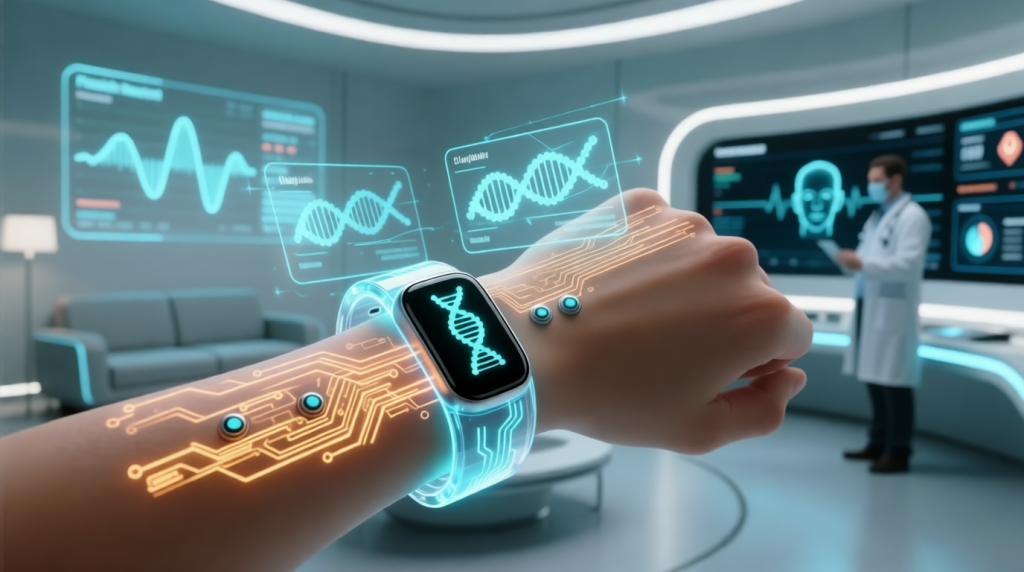
Genetic integration is another major direction, enabling the user to receive health recommendations not only based on data from wearables but also partly based on DNA analysis. More and more devices are gaining medical-grade certification, which means healthcare professionals will increasingly trust these tools as acceptable clinical instruments. The future of wearables will be in seamless systems incorporating AI, accurate sensors, and professional medical support. These things will shape a world wherein technology does not just track health but actively guides people toward better wellness.
Frequently Asked Questions
Q1: What is wearable health technology?
It refers to digital devices like smartwatches, smart rings, body patches, and clothing sensors that monitor parameters such as heartbeat, sleeping habits, activity level, and so on.
Q2: Are wearable health devices accurate?
Many consumer wearables provide reliable readings for general wellness. Fewer devices meet medical grade standards, so users should consider the data as supportive information and not a substitute to replace professional diagnosis.
Q3: How do wearables benefit health care?
These devices provide continuous monitoring and real-time health data that support early detection, preventive care, and personalized treatment planning.
Q4: What’s next for wearable tech
Future development will include non-invasive glucose tracking, AI-driven insights, deeper medical integrations, and more advanced sensing technologies.
Conclusion
Wearable health technology has revolutionized the ways in which people understand and manage their well-being. From smartwatches and rings to patches and sensors on clothing, clear views are given into the daily behavior of the body. Such tools arm both individuals and healthcare professionals with data that feels accessible, practical, and endlessly useful.
The future of wearable technology will involve deeper AI capabilities, more precise sensors, and wider clinical integration. As the industry continues to evolve, wearable technology will shape healthier lifestyles and create a smarter approach to modern healthcare.