


AI is no longer confined to the realm of either science fiction or the laboratory. In 2025, AI has become an everyday companion: it oversees household tasks, streamlines work processes, and even makes choices affecting personal health. From waking up with the smart home adjusting the temperature and lighting to unwinding with AI-recommended entertainment, one can find artificial intelligence in daily use everywhere.
Integration of AI has increased convenience, efficiency, and personalization, but it also raises significant questions about privacy, ethics, and reliance on technology. This article explores how AI shapes daily living in 2025, from smart homes and personal assistants, through healthcare and finance, to shopping and into the future.
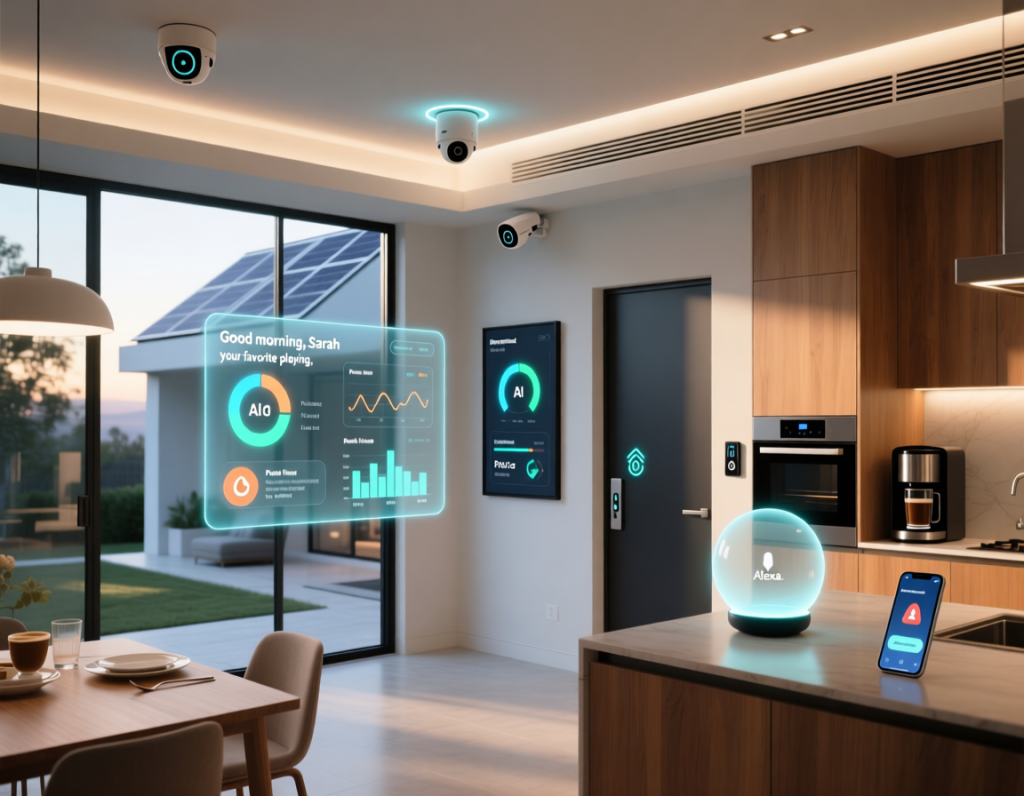
AI-Powered Smart Homes
The modern home has now become a connected ecosystem, from which AI effortlessly manages daily routines. Smart homes have become the standard, rather than the exception, while AI-driven systems automatically adjust lighting, heating, and cooling, learning from resident habits. Houses will automatically dim at night or make the most of energy during peak hours of the day. Security is beefed up with AI cameras, biometric locks, and face recognition, protecting in real-time and sending notifications to residents wherever they are in the world.
AI personalizes daily life-from morning playlists that wake you up to suggesting evening recipes, devices such as Amazon Alexa, Google Home, and Apple Siri adapt over time to personal tastes and preferences. By 2025, AI-powered homes will reduce energy costs, increase safety, and simplify daily life.
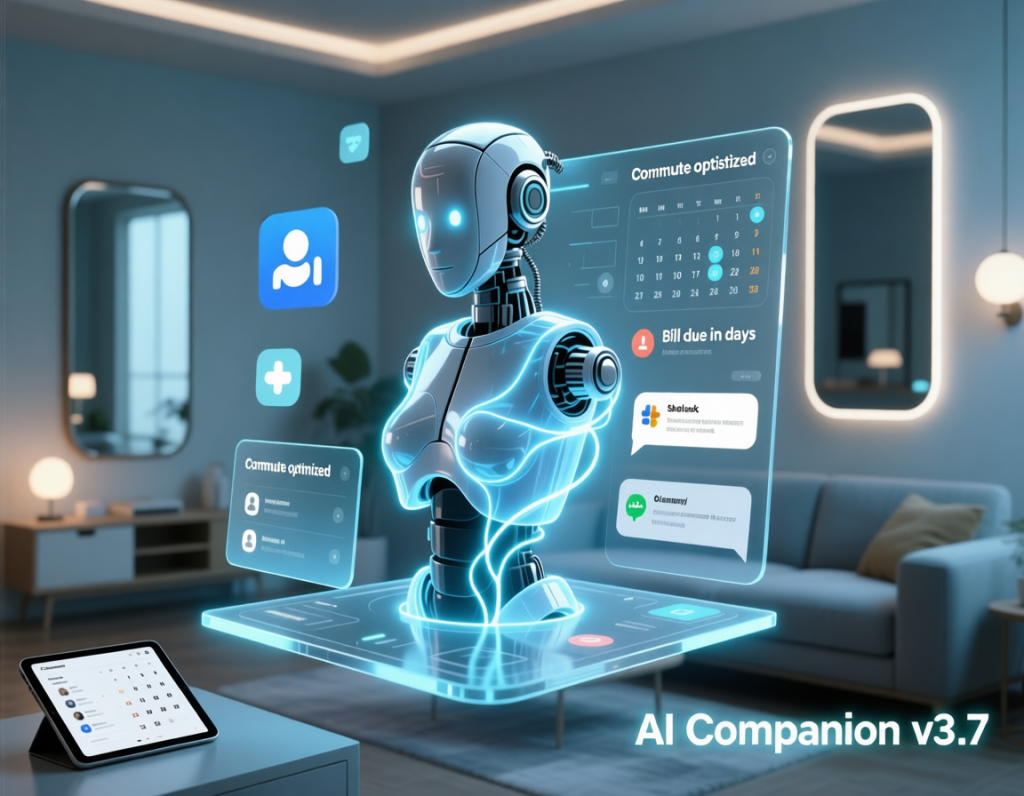
AI Personal Assistants
From novelty gadgets to essential digital companions, the AI-powered personal assistant has made it into mainstream practicality. They manage schedules by automatically syncing with one’s calendar to reschedule meetings, send reminders, and keep track of deadlines. Integrations with Microsoft Teams, Slack, and Zoom allow AI assistants to draft emails, summarize meetings, and automate routine workflows.
Modern assistants predict user needs through suggestions on commute routes, reminding one of an upcoming bill, or curated news briefings. These proactive capabilities represent how AI in everyday life is fast evolving from a system of reactive tools to predictive partners that free up valuable mental space for more creative and purposeful endeavors.
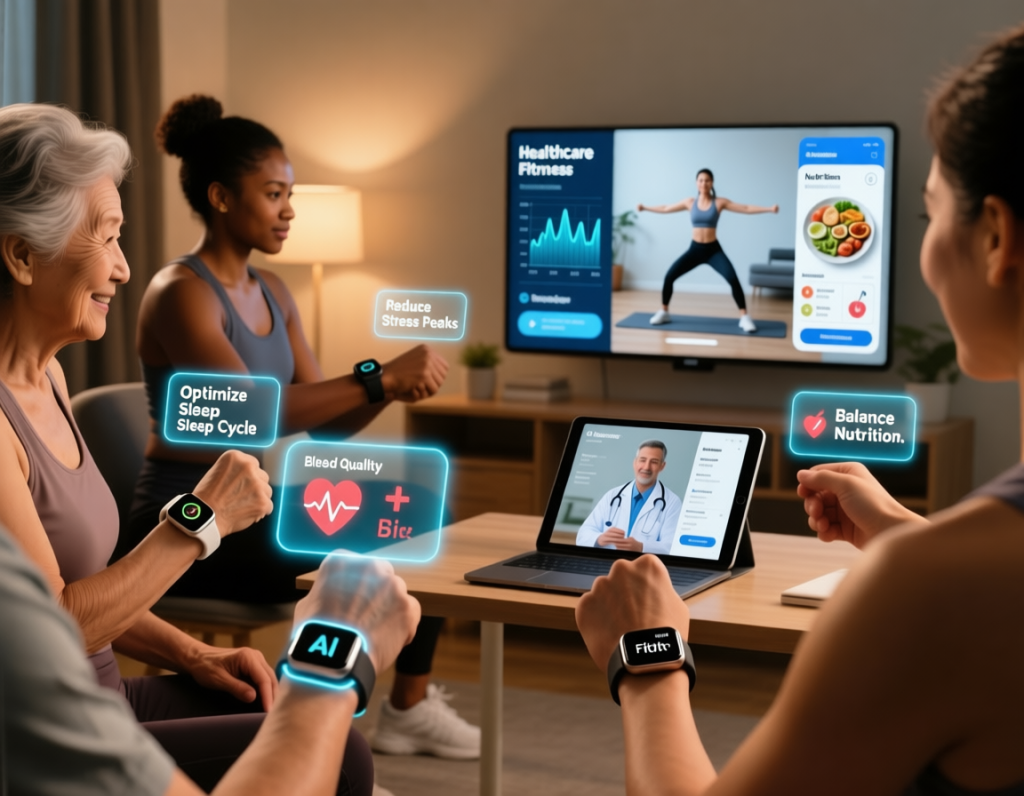
AI in Healthcare and Fitness
The most impactful area of AI in daily life is healthcare. Wearables such as Apple Watch, Fitbit, and Samsung Galaxy Watch use AI algorithms to monitor sleep, heart rate, oxygen levels, and stress, thereby making personalized sets of advice to help improve all-around good health. Telemedicine is enhanced because the AI tools assist doctors in analyzing symptoms, reviewing case histories, and suggesting possible diagnoses-all making remote healthcare more accurate and accessible.
AI-powered fitness applications introduce personalized workouts based on one’s goals, while nutrition apps create meal plans based on dietary needs and health conditions. AI has emerged as a digital health companion-identifying patterns that humans might miss, encouraging healthier habits, and even providing early warnings about conditions that may arise.
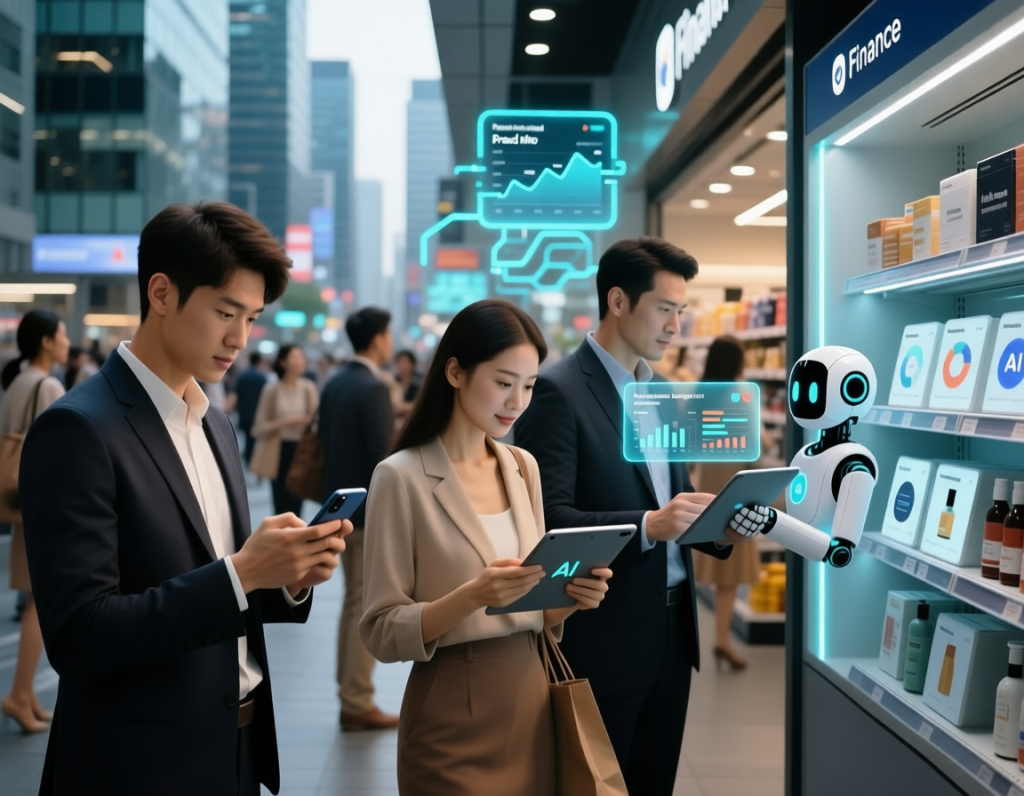
AI in Finance and Shopping
Artificial intelligence daily use extends to how people spend, save, and shop. In banking, AI algorithms detect fraud in real time to secure online transactions. Applications in personal finance analyze spending habits, forecast expenses, and offer customized advice on budgeting, while robo-advisors recommend investment portfolios based on goals and risk profiles for much easier management of wealth.
AI has also transformed retail: e-commerce platforms suggest products, optimize price, and make the customer journey even smoother. Predictive algorithms anticipate the needs of customers, and AI chatbots immediately help. AI seems to be influencing everything from micro-level decisions that comprise daily purchases to macro-level decisions involving long-term financial planning.
Benefits of AI in Daily Life
The benefits of AI in 2025 are many. For one, automation frees time from mundane, routine tasks and enables people to be original and perform meaningful jobs. AI enhances efficiency in the optimization of energy consumption and smoothing of workflows, while personalization makes services react to the needs of every individual, be it for entertainment or sports. It has also become more accessible because of voice recognition, and further support is given by AI-powered adaptive devices to people with disabilities.
In addition, AI reduces errors and optimizes resources, which ultimately translates into significant cost savings for households and businesses alike. This benefit explains why AI is expected to be commonplace in modern life today.
Challenges and Risks
Wide-scale use of AI could be fraught with massive risks, which would require prudent management. AI-driven systems rely so much on personal data; ownership and security problems emerge. Excessive reliance on this may drive down the problem-solving and critical thinking abilities among human beings. Inequality in health care, finance, and employment are outcomes which biased algorithms may use.
Connected devices pose a cybersecurity threat; and as AI assumes more life-like characteristics, questions related to transparency, accountability, and trust become apropos. Application of AI requires striking a balance to ensure responsible and ethical technology adoption.
The Future of Everyday AI
In the near future, AI will play a much greater role in daily life. Natural and emotionally intelligent AI assistants will be incorporated into daily interactions with people. Integration into augmented and virtual reality technologies will make digital interactions intuitive and fluid, ranging from immersive gaming and educational experiences to digital shopping.
AI will also serve education through personalized tutoring systems, making knowledge more available and inclusive by structuring lessons according to individual learning styles. In health care, AI is likely to become a common diagnostic instrument of personal treatment and predictive medicine, whereby it will assist doctors in picking up conditions early and providing care in a more precise manner.
Sustainability will be another key area of AI development: AI systems will optimize energy use and reduce waste, enabling both households and industries to lower their environmental footprint. As AI increasingly permeates everyday life, it will stop playing the role of a simple tool but will become an active partner of people, enabling them to live efficiently, informed, and empowered.
FAQ
Q1: What are some examples of AI in everyday life?
These might include smart homes, digital assistants such as Alexa or Siri, health apps, suggested purchases, and programs that manage finances.
Q2: Is it safe to use AI in your home?
Generally secure, but it is recommended that one secures Wi-Fi networks, periodically updates software, and manages the permissions of devices.
Q3: Will AI replace human decision-making?
AI enhances decisions, not replaces human oversight. Ethical judgment is still needed.
Q4: Is AI accessible for people with disabilities?
Yes. Voice recognition, text-to-speech, and adaptive technologies make access much easier.
Q5: What challenges does AI face in the times to come?
Key challenges include privacy, algorithmic bias, cybersecurity, and ethical governance.
Conclusion
AI in everyday life in 2025 is no longer a dream of the future but a reality that has already arrived. From smart homes which can anticipate our needs, to personal assistants who can manage our schedules, to wearables that can track our health and financial tools that advise on investments, artificial intelligence has blended into our day-to-day usage. The challenge remains in embracing its benefits while addressing the risks. Data security, ethical design, and human oversight will be key. With due balance, AI will add to convenience, efficiency, and the overall quality of life, to become a true partner in living, working, and growing.