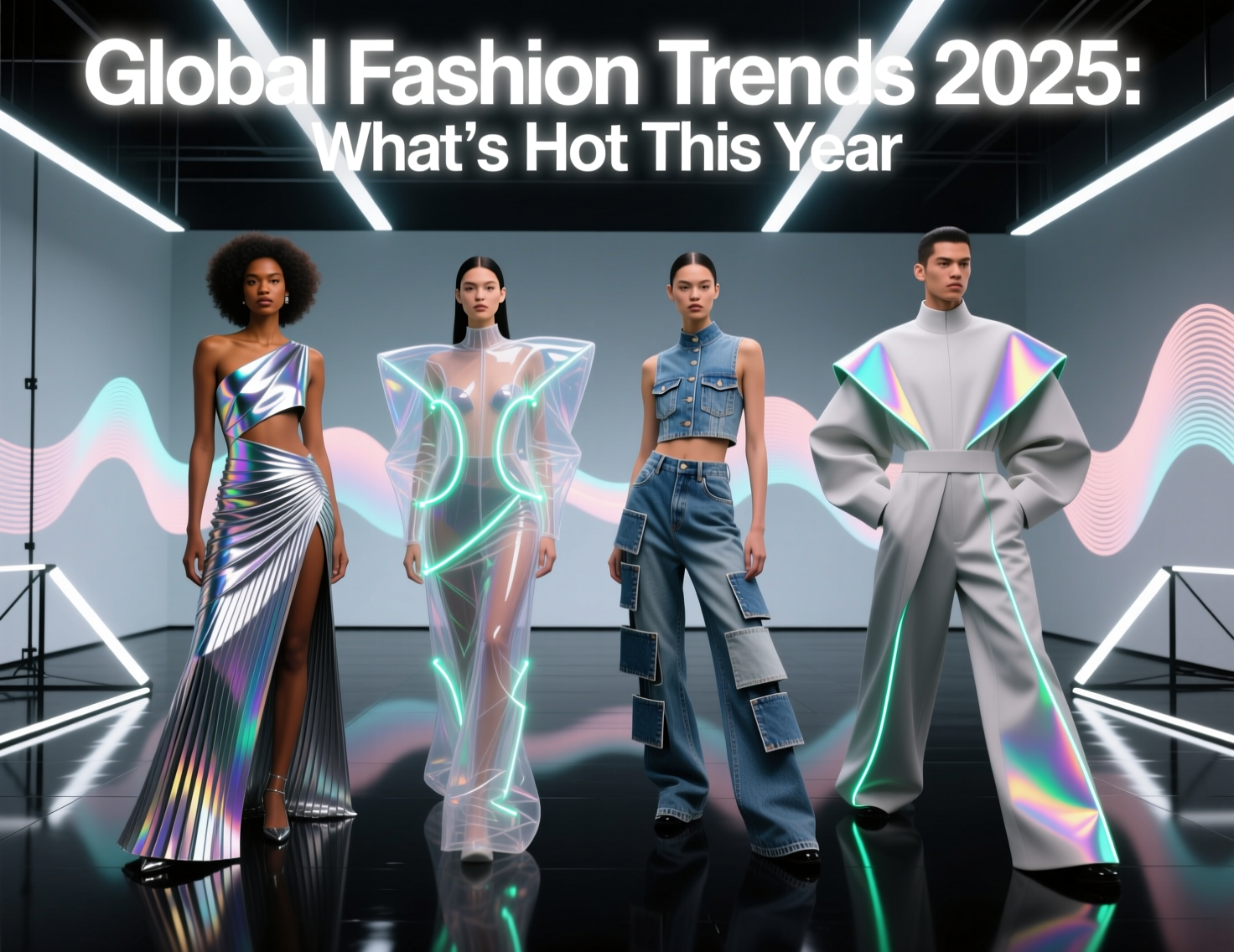

Fashion keeps on rapidly evolving, and 2025 is no exception. The cultural, consumer behavioral, and technological variations mark a clear and sure shift. Innovation meets nostalgia as designers make a move to new ideas while still maintaining the familiar look. Today, it’s more than just simple pieces of cloth; rather, it deals with personal identity, digital expression, and ethical responsibility, guiding buyers toward the styles that best represent their way of life, values, and creativity.
Younger consumers continue to lead the way in fashion, while brands rise to the challenge with increased commitments to transparency and inclusivity. Digital influence grows as AI moves into design, production, and personal styling. This year shows how style, technology, and culture can come together into one global conversation. The following is a closer look at the most definitive fashion movements that shaped 2025.
The Sustainability Movement Goes Mainstream
Sustainability continues to grow from a niche category into a central expectation within global fashion. More consumers indeed want products that reflect responsible choices, and this pushes brands to rethink their whole production process. Eco-friendly fabrics are in common usage across both premium and everyday collections, building trust between designers and buyers.
Organic cotton, bamboo, Tencel, hemp, and recycled polyester see wider application as brands replace older materials with more responsible options. These fabrics provide comfortable textures and reliable durability at a lower environmental impact. Other new materials include plant-based leather and lab-grown alternatives, as technology opens up fresh innovation in ethical fashion.
Indeed, the more take back programs, rental options, repair services, and resale initiatives offered by retailers, the more these kinds of circular models grow. This encourages customers to reuse and recycle their clothing rather than discard it. Online platforms help push this forward, as shoppers find accessible ways to buy and sell items that still have value.
Consumers are turning to QR codes, eco-labels, and information on supply chains to understand how their garments are produced. It’s about transparency, instilling confidence and resonating with the values of younger buyers who want honesty from their brands. High street labels also play a more leading role in driving access to and affordability of sustainable products, in turn keeping this within reach of the everyday shopper and nudging them toward consistent ethical decisions.
Rise of AI in Fashion
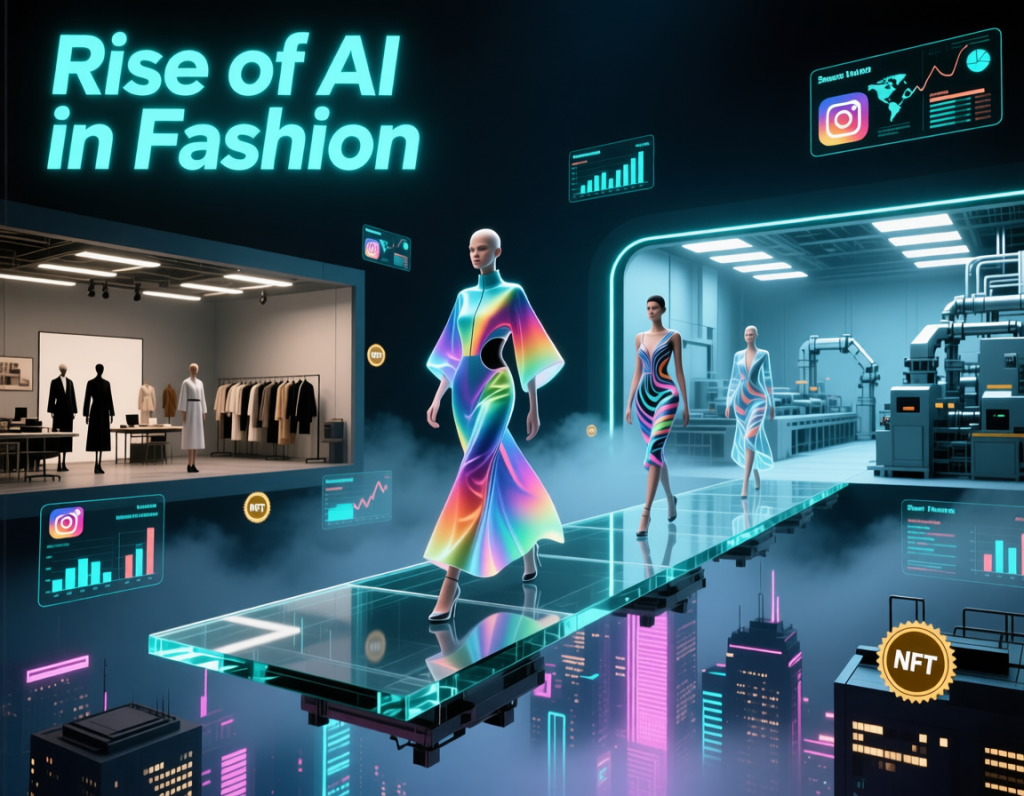
By 2025, artificial intelligence will be one of the most influencing forces in fashion, as designers leverage technology to predict trends, better personalize outfits, and make production more accurate. Trend prediction tools read data from global social platforms and shopping behaviors in an effort to understand what customers want next. The findings help designers to create collections with increased accuracy, reducing waste created by unsold inventory.
Virtual fashion shows are gaining momentum, and international brands are increasingly turning to digital spaces to showcase their latest collections. The virtual runway removes barriers set by geographical location, and for the first time in history, anyone, anywhere in the world, can view these events. This move also helps achieve sustainability objectives by reducing travel and the logistics of holding large-scale events.
Digital clothing and fashion for your avatar is entering mainstream conversations as more gaming platforms and virtual worlds adopt wearable digital items. Limited edition items and collectible digital outfits open up new streams of income for brands, while a number of pieces also use NFT technology to offer unique digital ownership.
This also allows for personalization, such as finding clothes that are both fitting and flattering on a shopper’s body type, color palette, and style aspirations. The tools make shopping better, and fashion more inclusive, since each user gets a recommendation tailored to their very specific needs.
The Return of Y2K Style
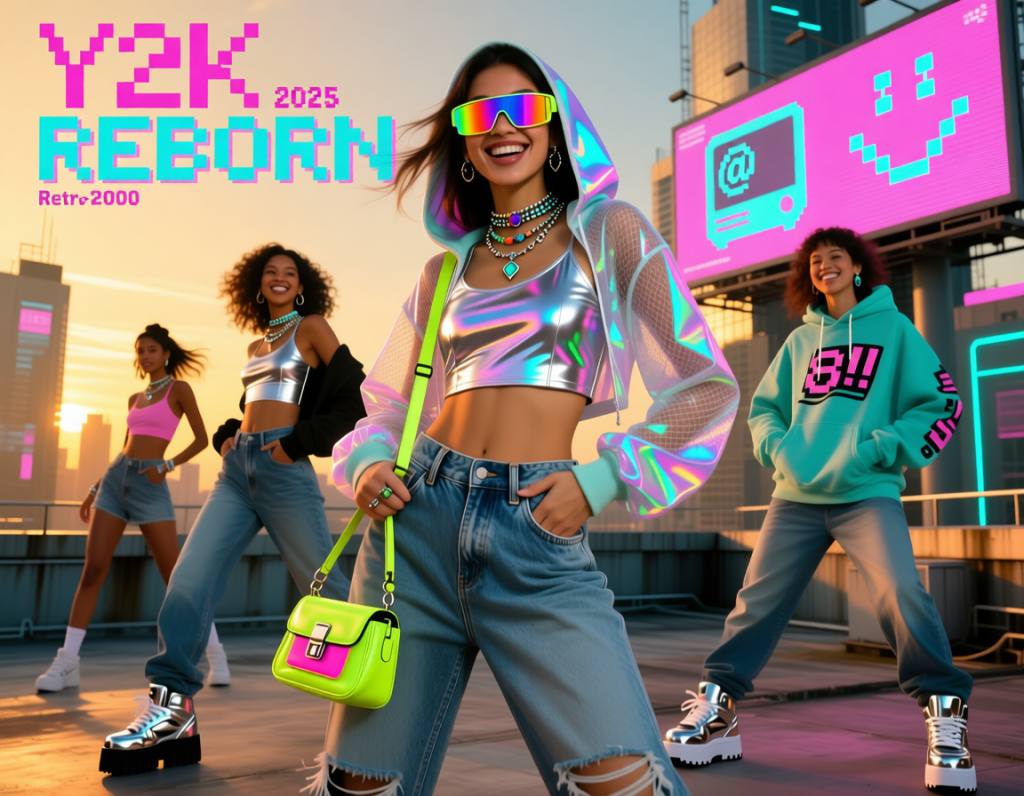
Y2K fashion makes a full-on comeback in 2025 when the younger shopper starts to look for expressive clothing looks that combine a sense of nostalgia with modern-day trends. Early 2000s aesthetics are revived on social platforms, and bold, playful designs make their way into daily style.
Low-rise jeans, metallic fabrics, crop tops, and decorative details are favored again as playful relief against minimal styles. Accessories include tiny handbags, colored lenses, chokers, and chunky shoes-also returning strong to make statements. Such fashion accessories link back to the optimism and experimentation of the early internet era.
Gen Z puts a new spin on things by coupling Y2K pieces with oversized silhouettes, streetwear elements, and bright prints. That keeps it relevant to the present while still paying homage to the mood of that time. That really reflects the urge for individuality and the need to feel freedom in personal expression.
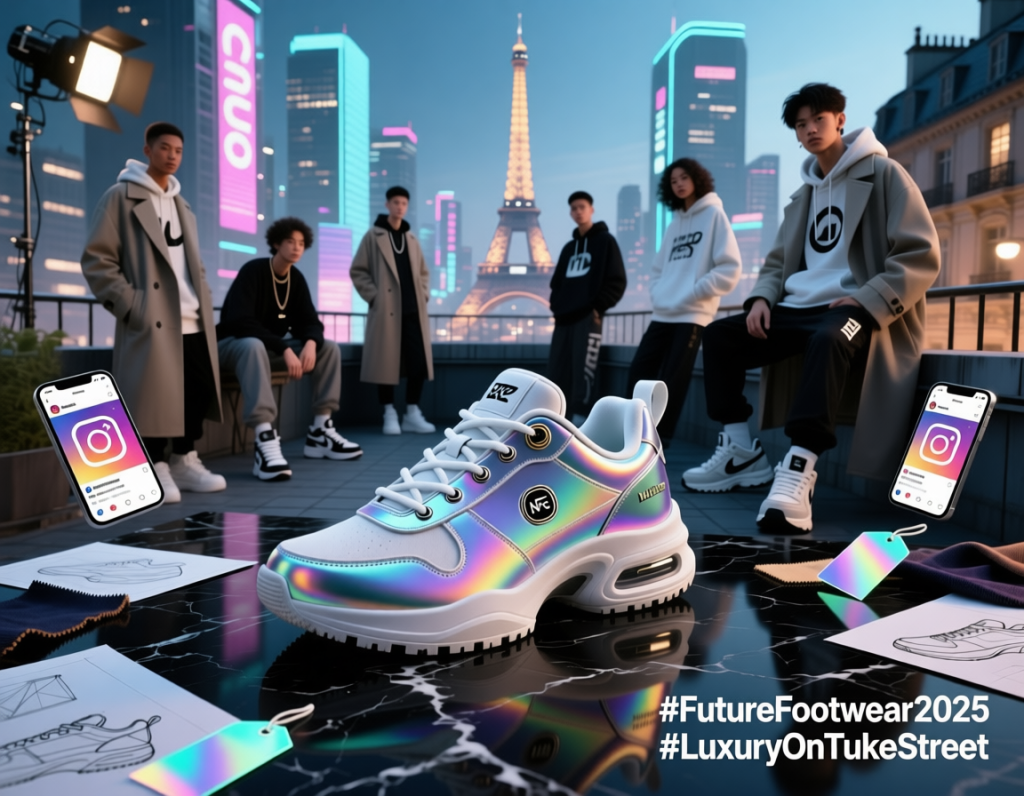
Luxury Streetwear is officially a global phenomenon.
This powerful mix of luxury and streetwear moves into 2025, as brands continue to meld comfort with high-end design. Sneaker culture is alive and well, with limited-edition drops, high-profile collaborations, and the introduction of new technologies driving global demand. The sneaker market retains its position of one of the most prominent status symbols and caters to everyone from collectors to casual consumers.
Luxury houses collaborate with streetwear labels for the development of limited collections that attract target groups of younger audiences. This kind of collaboration facilitates creativity and reaches new groups of consumers, adding value to both ends. In the end, the resulting category is one that feels accessible but still exclusive.
Social platforms amplify these looks across major cities worldwide and help shape a consistent global style identity. This is, indeed, a fashion movement that shows very strongly how fashion can cross cultural barriers with ease while every region still maintains its character.
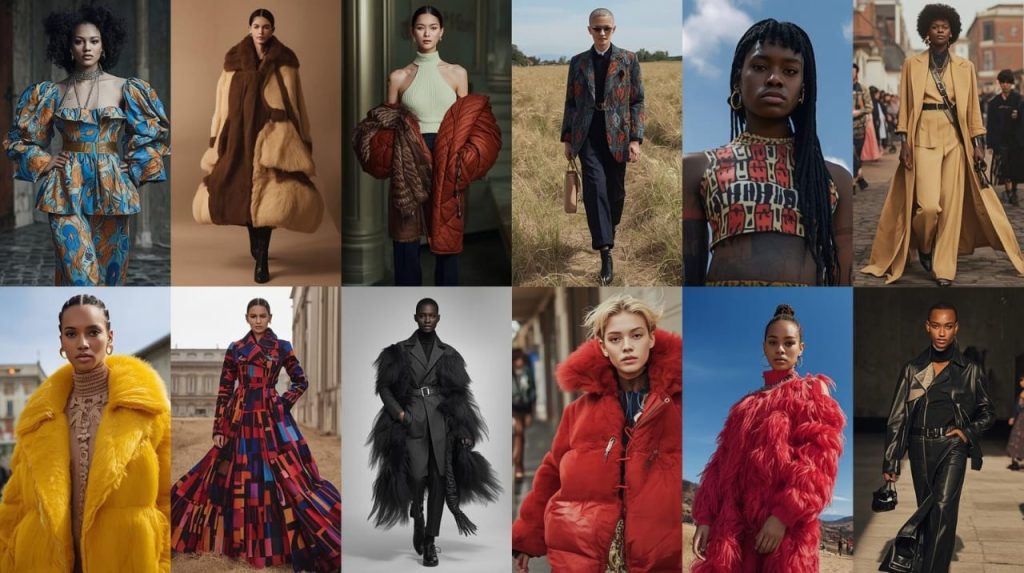
Regional influences that shape global style.
While the global trends may dominate the headlines, regional fashion identities are still important. Each region brings its flair to the worldwide conversation.
Meanwhile, Korean fashion offers clean lines and oversized blazers with soft neutral tones, creating a calm and structured silhouette. Japanese designers continue pushing the boundaries with experimental shapes and unusual materials, while art-inspired concepts influence streetwear worldwide.
Tailoring still plays a role in Europe, but one now biased towards sustainable fabrics and long-lasting construction. Suits, coats, and items of daily wear use responsible materials while showing refined elegance.
Influencers and celebrities in the United States are still leading fast-moving micro trends. Looks change fast, as new aesthetics are shown in a very short time to large audiences on social platforms.
These regional differences serve to illustrate how culture, creativity, and identity remain driving forces in global fashion.
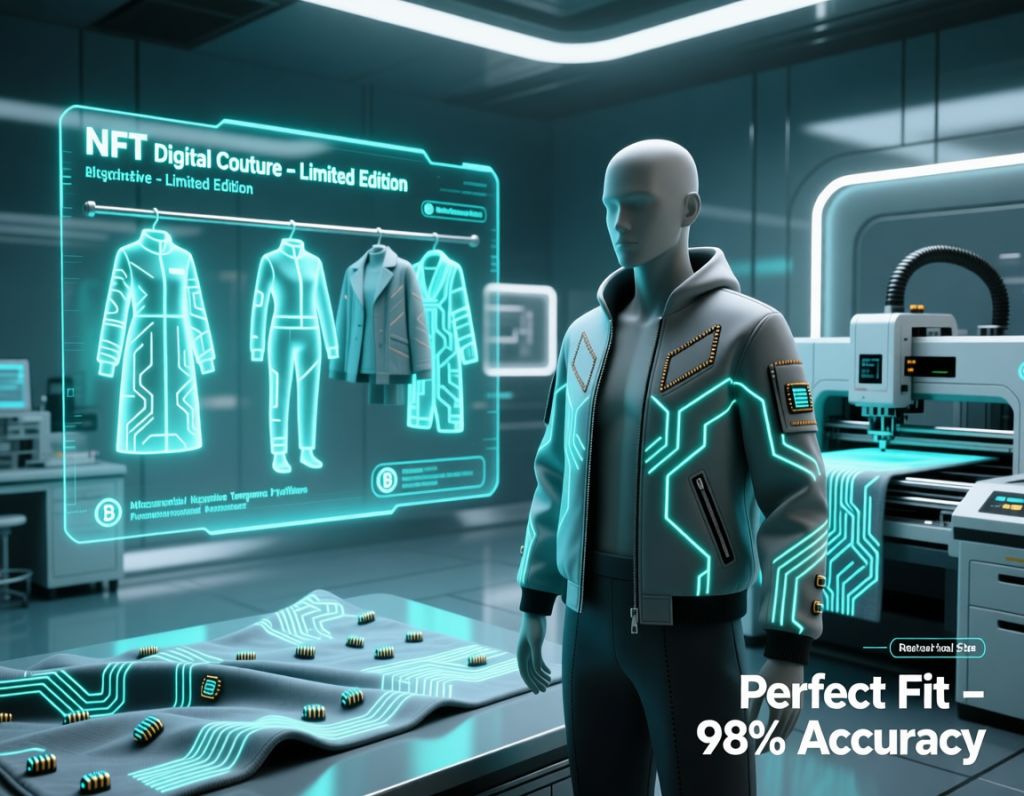
Fashion Meets Technology
Further incorporation of technology in the cloth itself will be made possible by developing smart fabrics and digital tools that add functionality and comfort. Advanced textiles will help regulate temperature, protect skin, and offer features to support daily activity-all raising the value of clothing and offering practical uses.
The AR fitting tool makes online shopping possible, bringing realism to size and fit previews. In turn, it enhances purchase confidence while reducing returns. Digital clothes, in their NFT forms, become new collectible categories as users create digital wardrobes and experiment with virtual identities.
3D printing grows as brands explore on-demand production of bespoke pieces, reducing waste and providing buyers with pieces that fit their exact measurement or preference.
What Consumers Want in 2025
In 2025, consumers are looking for fashion that says something about their lifestyle and who they are. Affordable sustainability goes mainstream because consumers want ethical choices without having to pay more than they do for any other products. Customized options shine as people like unique pieces instead of mass-produced fashion designs.
Digital discovery plays a bigger role, with TikTok and Instagram influencing purchasing decisions. Besides that, micro-influencers introduce everyday inspiration and drive new trends to market quickly. Representation is the other important factor: consumers continue to demand inclusive sizing and diverse marketing.
These expectations drive brands to innovate while being rooted in the needs of today’s buyer.
FAQ
Q1: What are the biggest fashion trends in 2025?
Major trends include sustainable fashion, AI-powered design, Y2K revival, luxury streetwear, and digital fashion technologies.
Q2: Is sustainable fashion more affordable now?
More retailers use responsible materials at accessible prices, enabling consumers to make ethical choices without adding extra costs.
Q3: How does technology change the fashion industry?
Technology shapes design and production, discovery, and customer experience through AI prediction tools, AR fitting rooms, smart fabrics, and digital clothing.
Q4: How does one join the Y2K trend?
Think low-rise jeans, crop tops, or metallic pieces for a beginning base to mix in with more modern streetwear for a refreshed look.
Q5: What makes up luxury streetwear in 2025?
Comfort, exclusivity, and elevated design are at the heart of luxury streetwear, buoyed by highly coveted collaborations and international relevance.
Conclusion
Fashion in 2025 echoes a world that balances nostalgia with forward-looking design. Consumers are looking for clothing that supports their values, personal identity, and digital lifestyle. Brands that answer the call with creativity, responsibility, and innovation forge deeper connections and will lead the next wave of global style. This year brings expressive pieces, ethical choices, and new technologies that shape how people present themselves to the world.